
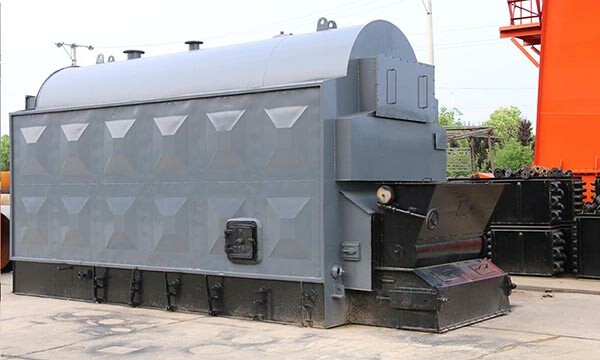
0.5-4 t/h
Horizontal Hand-Fired Biomass Boiler, 0.5-4 t/h
Batch-fired horizontal biomass boiler for wood, sawdust, rice husk and agro-residue, 0.5-4 t/h, manual firing door, natural or for...
View detailsThe SZL20-1.25-T is a 20 t/h, 1.25 MPa biomass steam boiler delivering 194 °C steam at 88% efficiency on the lower heating value. It is an assembled chain-grate, two-drum water-tube unit for solid biomass fuels.
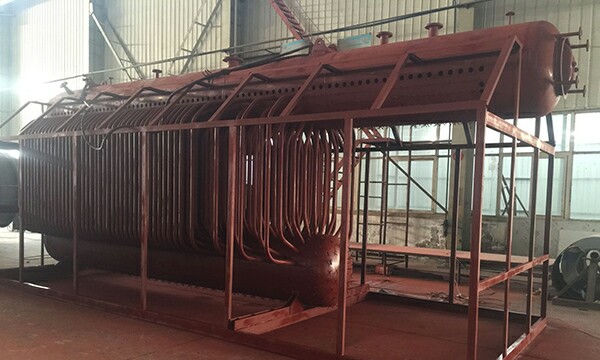
The SZL20-1.25-T is a 20 t/h unit from the SZL biomass steam boiler series. It is an assembled chain-grate, water-tube boiler with a two-drum arrangement, designed for solid biomass. Rated steam pressure is 1.25 MPa and rated steam temperature is 194 °C. Thermal efficiency is 88% on a lower heating value (LHV) basis.
At 20 t/h this unit sits in the mid-to-upper range of industrial steam supply. It suits plants that need a continuous process steam load rather than a small packaged boiler, but that do not yet justify a larger field-erected unit. Typical settings include food and beverage processing, feed milling, textile finishing, paper and board conversion, and district or campus steam networks where biomass is the available fuel. The chain-grate and water-tube construction allow it to burn solid biomass with a range of moisture and ash characteristics.
The boiler is designed for biomass pellets, wood chips, rice husk and palm kernel shell. The rated fuel consumption is 3409 kg/h at rated output. That figure is derived, not measured on every fuel: it assumes biomass pellets at 4,000 kcal/kg and 88% efficiency on an LHV basis. In practice, output and fuel rate shift with the fuel actually fired. Wood chips and rice husk differ from pellets in calorific value, bulk density and moisture, so the feed rate and grate settings are adjusted to hold steam output. Buyers should treat 3409 kg/h as the reference point for pellets at the stated calorific value, and expect the fuel rate to change with the fuel selected.
A 20 t/h chain-grate unit is normally operated across a range of loads rather than at a single point. At this capacity the grate and combustion system have enough thermal mass to hold stable combustion as demand falls, provided the fuel bed and air distribution are managed. Efficiency at part load is lower than the 88% rated figure, because fixed losses such as radiation and unburned carbon in ash weigh more heavily on a smaller fuel input. Operators should expect to trim excess air and grate speed as load drops, and to avoid long periods at very low output where combustion stability and emissions control become harder.
As an assembled two-drum water-tube boiler, the SZL20-1.25-T is shipped in major assemblies and completed on site. The installation envelope includes the boiler body, the chain grate and its drive, the fuel feeding arrangement, the air and flue gas path, and the steam and feedwater connections. Planning should allow for access around the drums and tube banks for inspection and cleaning, space for fuel storage and handling, and room for the flue gas train. Specific dimensions and weights are not stated here and should be taken from the model drawing for the project.
Water treatment is essential at this pressure and capacity. Feedwater should be softened and controlled for hardness, alkalinity, dissolved oxygen and conductivity, with boiler water chemistry held within the limits set for 1.25 MPa operation. Carryover, scale and corrosion all reduce efficiency and tube life, and the cost of poor treatment at 20 t/h is significant because the throughput is high. A deaerator and chemical dosing are normally part of the water treatment scheme.
The unit is supplied with combustion and feedwater control appropriate to a chain-grate boiler: fuel feed and grate speed, forced and induced draft, drum level, and steam pressure regulation. Controls should be matched to the plant’s steam demand profile so that the boiler follows load without excessive cycling. Instrumentation for flue gas temperature and oxygen helps operators keep efficiency near the rated value.
Choosing 20 t/h rather than the next size down gives headroom for process peaks and for future load growth without running the boiler flat out. Choosing it rather than the next size up avoids carrying capacity that the plant cannot use, which would mean more part-load operation and lower average efficiency. The SZL20-1.25-T is therefore a fit for plants whose steam demand is steady and mid-sized, with biomass as the primary fuel.
The rated figure is 3409 kg/h at rated output, based on biomass pellets at 4,000 kcal/kg and 88% efficiency on an LHV basis. If you fire wood chips, rice husk or palm kernel shell, the fuel rate will differ because calorific value, moisture and density differ, so plan fuel handling around the fuel you will actually use.
Yes. Chain-grate boilers at this size are operated across a load range. Efficiency at part load is below the 88% rated figure, and operators should adjust excess air and grate speed as load falls. Very low output for long periods makes combustion stability and emissions control harder.
Feedwater should be softened and controlled for hardness, alkalinity, dissolved oxygen and conductivity, with boiler water held within limits for 1.25 MPa operation. A deaerator and chemical dosing are normally included. At 20 t/h, poor treatment quickly affects efficiency and tube life.
| Model | SZL20-1.25-T |
|---|---|
| Capacity | 20 t/h |
| Pressure | 1.25 MPa |
| Steam temperature | 194 °C |
| Feedwater temperature | 20 °C (105 °C with deaerator) |
| Fuel | Biomass pellets, wood chips, rice husk, palm kernel shell |
| Fuel consumption at rated output | 3409 kg/h (biomass pellets at 4,000 kcal/kg, 88% efficiency) |
| Efficiency | 88% (LHV basis) |
| Burner/control | Assembled chain-grate, two-drum water-tube; combustion and feedwater controls |
| Application | Industrial process steam and steam networks on solid biomass |
0.5-4 t/h
Batch-fired horizontal biomass boiler for wood, sawdust, rice husk and agro-residue, 0.5-4 t/h, manual firing door, natural or for...
View details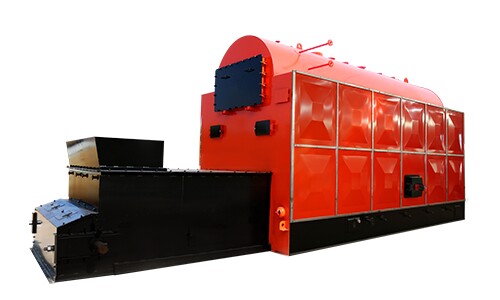
2-10 t/h (series to 100 t/h)
Packaged three-pass biomass steam boiler, 2-10 t/h at up to 1.6 MPa, with a light chain grate and water-cooled arches.
View details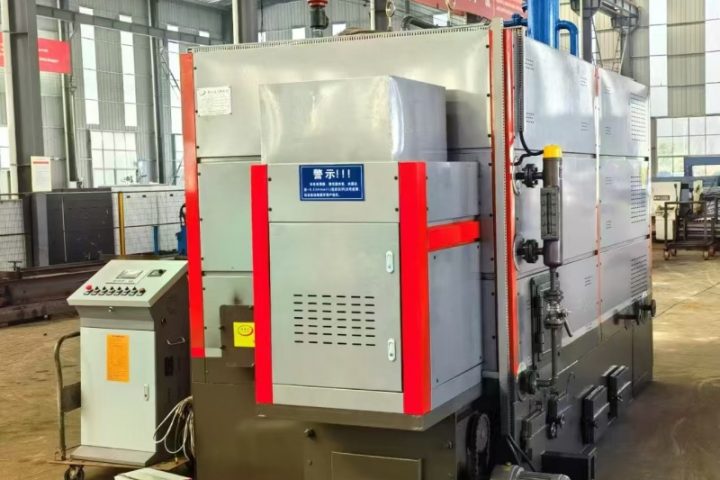
70-700 kW (0.06-0.6 MW)
Small coal or biomass bathhouse boiler, 70-700 kW, with secondary-air smokeless combustion and an integrated hot water tank for ru...
View detailsExternal links open the publisher’s website and are provided for background reading.
Include the capacity (t/h or MW), fuel, working pressure and site country so the proposal matches your permit limits.
We appoint one or two partners per country to quote, deliver and service our boilers locally. Territory protection, factory pricing and commissioning support are part of the agreement.