
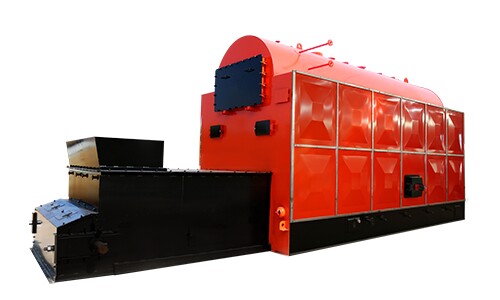
2-10 t/h (series to 100 t/h)
DZL Chain Grate Biomass Steam Boiler
Packaged three-pass biomass steam boiler, 2-10 t/h at up to 1.6 MPa, with a light chain grate and water-cooled arches.
View detailsA 3 t/h biomass boiler on eucalyptus and rose waste supplies steam for greenhouse heating and soil sterilisation at a flower farm near Naivasha, Kenya.
The flower farm near Naivasha grows roses under 22 hectares of greenhouse and propagates its own cuttings. Steam is used for soil sterilisation before planting, for heating the propagation house at night, and for a small packhouse. The demand is seasonal: sterilisation is a batch load of 2.5-3 t/h for a few days each month, while heating is a steady 0.8-1.2 t/h at night in the cool season.
The boiler is a 3 t/h DZL chain-grate unit at 1.0 MPa, burning eucalyptus thinnings from the farm’s own woodlot and rose stems after shredding. The farm had been burning prunings in the open; the boiler replaced that and cut its diesel bill for the packhouse.
Eucalyptus at 20-25% moisture and shredded rose waste at 50-60% moisture are very different fuels. The boiler is set up for a mix of about 70% wood and 30% rose waste, with the waste dried on a covered pad for two weeks before use. Without drying, the furnace temperature drops and the unit smokes.
At 3 t/h the boiler absorbs about 2.1 MW. On a 12 MJ/kg mix the fuel rate is about 700 kg/h, and the farm’s woodlot plus prunings supply most of that in a normal year.
| Item | Value |
|---|---|
| Rated evaporation | 3 t/h |
| Pressure | 1.0 MPa |
| Fuels | eucalyptus, shredded rose waste |
| Fuel moisture | under 25% after drying |
| Fuel rate at rating | about 700 kg/h |
| Dust control | multi-cyclone |
Soil sterilisation injects steam into beds under a tarpaulin at about 0.3 MPa, holding 70 °C for 30 minutes. The boiler’s pressure is reduced through a station at the greenhouse, and the condensate is drained before the steam reaches the beds so the soil does not get wetter than necessary.
The farm’s water comes from a borehole with moderate hardness. A softener and a simple deaerator keep the boiler clean; the farm’s maintenance team of two has learned to test hardness daily, because a softener failure at this site would show up as a rising stack temperature within a month.
Diesel use for steam fell by about 70%, and the packhouse now has steam for its hot-water and cleaning needs. The sterilisation cycle is more even, which the farm links to a reduction in soil-borne disease in the propagation house. The boiler runs about 1,800 hours a year, mostly at night, and the farm’s biggest lesson was that fuel drying, not the boiler, decides how well the system works.
2-10 t/h (series to 100 t/h)
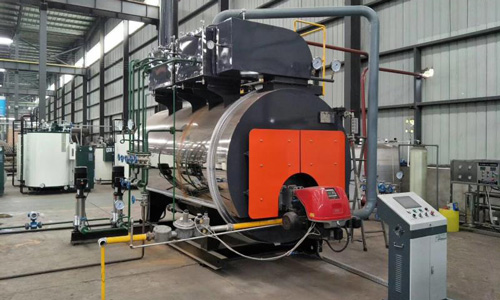
Packaged three-pass biomass steam boiler, 2-10 t/h at up to 1.6 MPa, with a light chain grate and water-cooled arches.
View details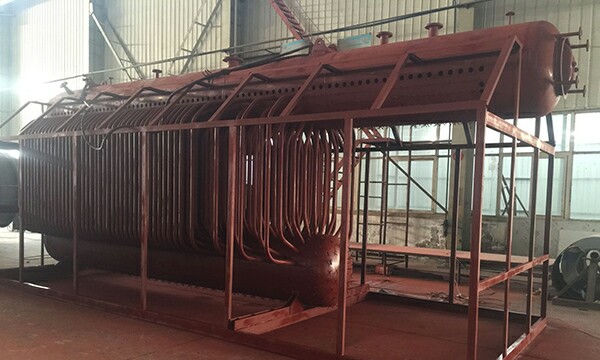
4-20 t/h (2 t/h model also built)
Double-drum water-tube biomass boiler, 4-20 t/h, shipped in two sections with membrane walls and an S-pass dust drop.
View details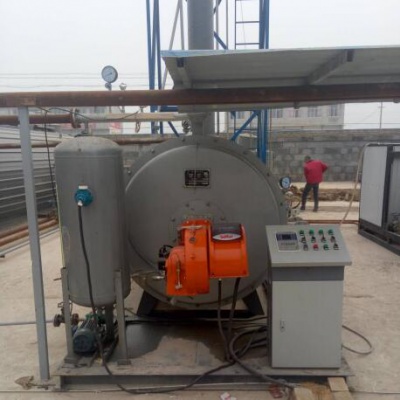
5,000-200,000 Nm³/h
Cyclone, pulse-jet bag filter and ESP selection for coal and biomass boilers, sized 5,000-200,000 Nm³/h.
View detailsExternal links open the publisher’s website and are provided for background reading.
Yes, shredded and dried to below 25% moisture. Wet green waste will stall a chain grate and produce smoke.
About 2.5-3 t/h for the duration of the batch, injected at 0.3 MPa under tarpaulins. The boiler is sized on that load.
It is when the farm has its own wood and was previously buying diesel. Fuel logistics, not boiler efficiency, decides the payback.
2021
Windhoek, Khomas District, Namibia
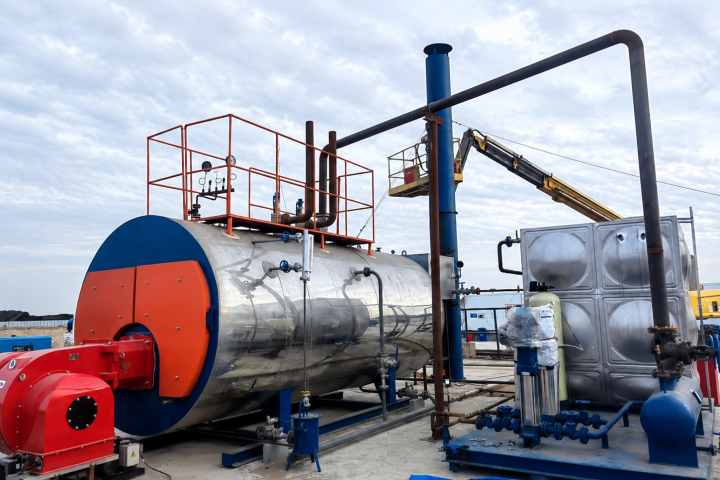
A gas-fired steam boiler was supplied for an alcohol distillation process in Windhoek, Khomas District, Namibia. The boiler provid...
View project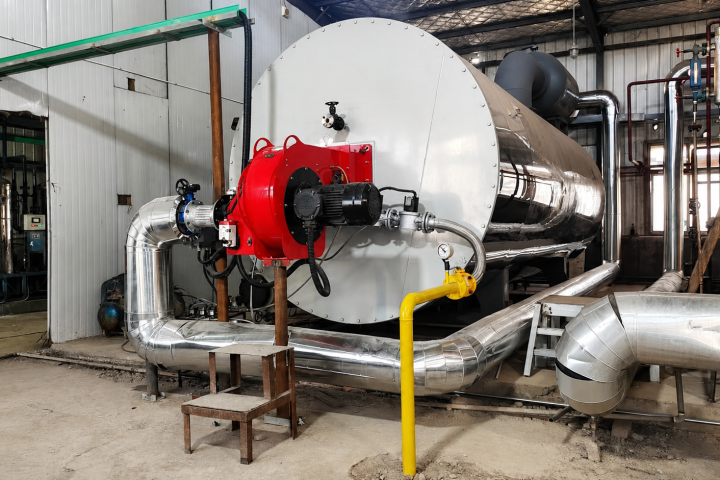
2025
Bangkok, Thailand
A gas-fired heat transfer oil furnace supplies process heat to a fried food production line in Bangkok, Thailand. The closed-loop...
View project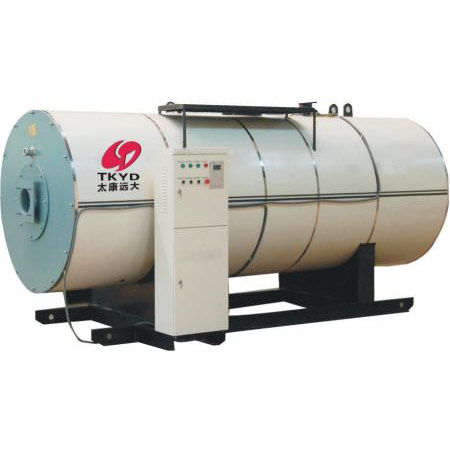
2025
Metro Manila, Philippines
A 3 t/h biomass boiler on coconut shell and wood waste supplies cooking and sterilising steam at a food plant in Metro Manila, wit...
View projectWe appoint one or two partners per country to quote, deliver and service our boilers locally. Territory protection, factory pricing and commissioning support are part of the agreement.