
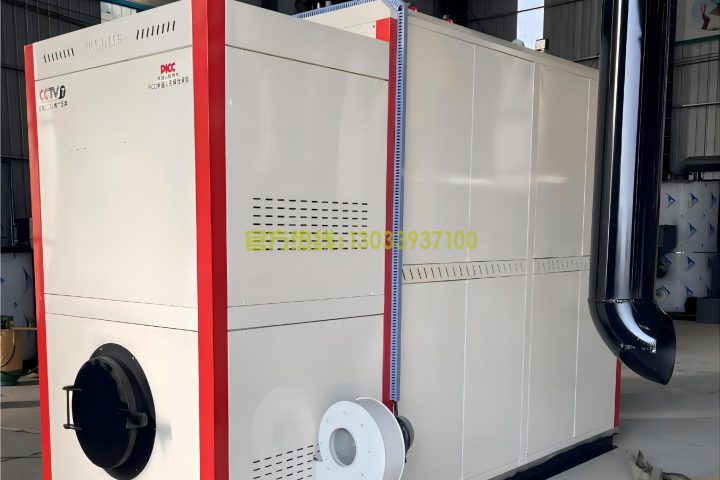
0.1-1 t/h
Vertical Biomass Steam Generator, 0.1-1 t/h
Vertical biomass steam generator, 0.1-1 t/h at 0.4-0.7 MPa, gravity feed and natural draft, under 2 m² of floor, 72-80% efficiency...
View detailsA hot water boiler package for greenhouse horticulture, sized 0.7-14 MW and delivering low-grade heat at 60-90 °C for root-zone heating, pipe rails and frost protection, with biomass or gas firing.
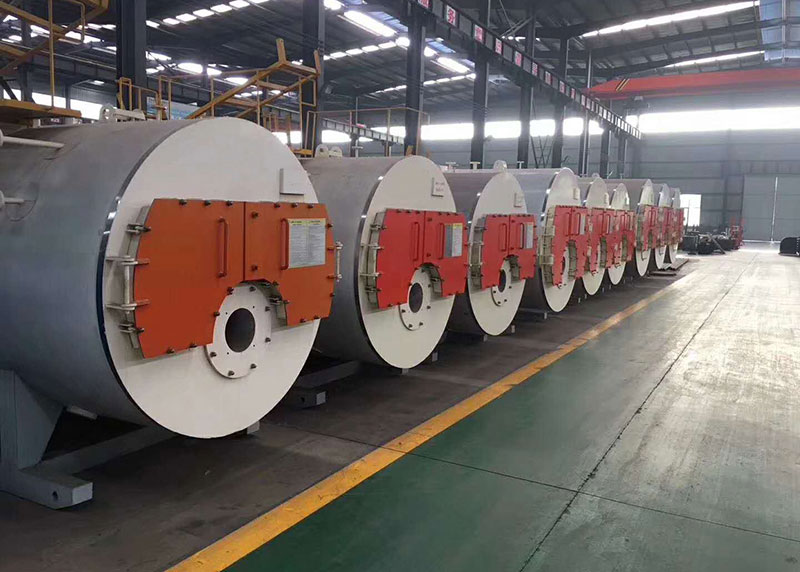
Greenhouse heating is a low-temperature hot water duty. The house is heated through pipe rails and root-zone circuits that operate with supply water in the 60-90 °C band, so the boiler package is specified for low-grade heat rather than steam or high-pressure hot water. The same package typically serves three duties: root-zone heating to hold soil temperature for rooting and crop development, pipe rails for aerial heating along the crop rows, and frost protection to keep the house above a minimum temperature on cold nights.
Because the circuits are low temperature, the boiler does not need to run at high pressure or high temperature. The design task is to match a hot water generator to the greenhouse circuit temperatures, the return water conditions and the seasonal load pattern, and to keep the plant simple to operate across a long heating season.
Greenhouse heat demand follows outdoor conditions and the crop’s temperature setpoints. Demand is highest on cold, clear nights and lowest in mild weather, so the boiler rarely runs at a constant rate. Sizing should be based on the design heat load of the house plus a margin for heat-up and for the coldest expected period, not on the sum of connected circuit capacity.
Night setback is a normal operating mode in horticulture: setpoints are lowered overnight and raised before daybreak. The boiler and its controls must follow these changes without short cycling. Where the load range is wide, a modular arrangement of two or more units within the 0.7-14 MW range allows one boiler to run at part load while others stay on standby, which also gives redundancy during the heating season. Confirm the design supply and return temperatures of the greenhouse circuits before fixing the boiler rating.
Two firing options are offered for this application: a DZL/SZL biomass hot water boiler or a gas hot water boiler. In greenhouse operation, fuel cost dominates the operating budget over the life of the plant, so the fuel decision carries more weight than small differences in first cost. Biomass firing suits sites with access to a reliable, consistent biomass fuel supply; gas firing suits sites where a gas connection is available and where operating simplicity and low on-site fuel handling are priorities.
Efficiency should be assessed at the actual operating temperatures of the greenhouse circuits, not only at rated conditions, because the plant spends much of its time at part load. Insulation of the boiler, the distribution pipework and the greenhouse circuits, plus control of the return water temperature, all affect real fuel consumption. The boiler package should be selected so that it can run efficiently across the night setback range.
This is a hot water package, so steam quality does not apply. Water quality does. The closed hot water circuit should be treated to control hardness, dissolved oxygen and suspended solids, and make-up water should be minimized by keeping the circuit tight. Correct water treatment protects the boiler and the greenhouse circuits from scale and corrosion, which otherwise reduce heat transfer and shorten equipment life. The water treatment scope should be defined together with the boiler package so that the two are compatible.
The control system should hold supply water temperature against outdoor reset, follow the night setback schedule, and stage multiple boilers where fitted. Standard safety provisions for hot water boilers include high-limit temperature protection, low-water cutout, pressure and temperature monitoring, and interlocked burner management. Circulation and pump control should be interlocked with boiler operation so that flow is proven before firing. Controls should be specified to suit the level of supervision available on site, from local panel operation to remote monitoring.
To prepare a proposal, send the design heat load and the required capacity within the 0.7-14 MW range; the design supply and return water temperatures of the greenhouse circuits; the duties to be covered (root-zone heating, pipe rails, frost protection); the preferred fuel and its availability; the expected night setback schedule; the water treatment arrangements; and the required control and monitoring level. With these parameters, the boiler package, its scope of supply and the auxiliary equipment can be defined.
The package covers 0.7-14 MW of hot water capacity, with supply temperatures in the 60-90 °C band suited to root-zone heating, pipe rails and frost protection.
Fuel cost dominates greenhouse operating costs, so the choice depends on fuel availability and handling at your site. Biomass suits a reliable biomass supply; gas suits sites with a gas connection and a preference for low on-site fuel handling.
The controls follow a setback schedule, lowering setpoints overnight and raising them before daybreak. Where the load range is wide, multiple boilers can be staged to avoid short cycling and provide standby capacity.
| Typical capacity | 0.7-14 MW hot water |
|---|---|
| Pressure/temperature | Low-grade hot water, 60-90 °C supply |
| Fuel options | DZL/SZL biomass or gas |
| Efficiency | Assessed at actual circuit operating temperatures and part load |
| Steam quality | Not applicable (hot water package) |
| Controls | Outdoor reset, night setback, multi-boiler staging, remote monitoring options |
| Water treatment | Closed-circuit treatment for hardness, oxygen and solids; minimized make-up |
| Scope of supply | Boiler, burner, controls, safety interlocks, circulation interface, water treatment interface |
| Typical duties | Root-zone heating, pipe rails, frost protection |
0.1-1 t/h
Vertical biomass steam generator, 0.1-1 t/h at 0.4-0.7 MPa, gravity feed and natural draft, under 2 m² of floor, 72-80% efficiency...
View details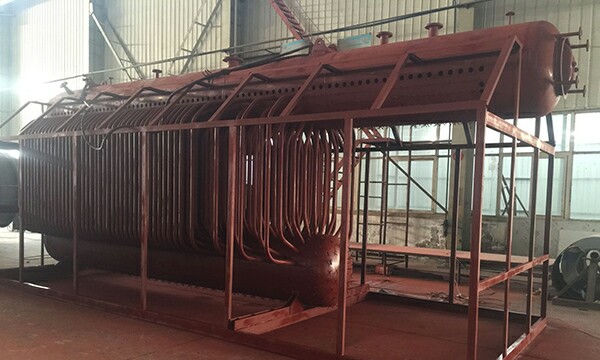
6 t/h
The SZL6-1.25-T delivers 6 t/h of steam at 1.25 MPa and 194 °C from biomass pellets, wood chips, rice husk or palm kernel shell, a...
View details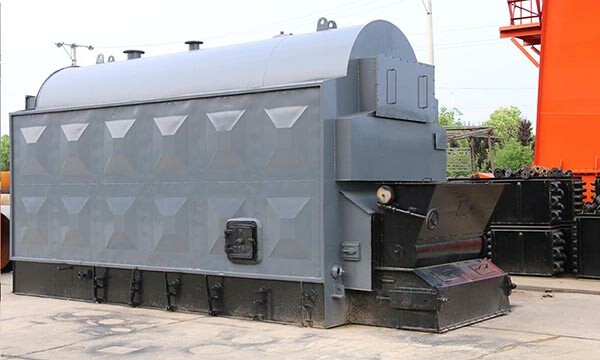
0.5-4 t/h
Batch-fired horizontal biomass boiler for wood, sawdust, rice husk and agro-residue, 0.5-4 t/h, manual firing door, natural or for...
View detailsExternal links open the publisher’s website and are provided for background reading.
Include the capacity (t/h or MW), fuel, working pressure and site country so the proposal matches your permit limits.
We appoint one or two partners per country to quote, deliver and service our boilers locally. Territory protection, factory pricing and commissioning support are part of the agreement.