
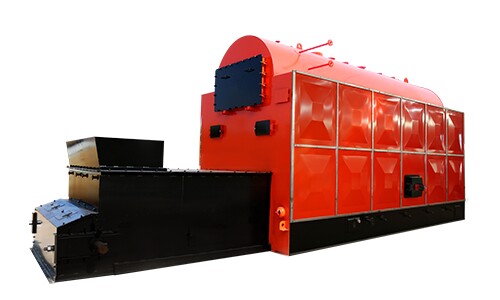
2-10 t/h (series to 100 t/h)
DZL Chain Grate Biomass Steam Boiler
Packaged three-pass biomass steam boiler, 2-10 t/h at up to 1.6 MPa, with a light chain grate and water-cooled arches.
View detailsA 1.5 t/h biomass boiler on coffee husk and wood waste supplies pasteurisation and CIP steam at a dairy near Kampala, with a simple, locally maintainable design.
The dairy collects about 25,000 litres of milk a day from smallholders north of Kampala and pasteurises it for the local market. Steam for the pasteuriser and the CIP set used to come from a diesel-fired boiler, and fuel was the plant’s second-largest cost after milk. The replacement is a 1.5 t/h biomass boiler at 0.8 MPa, burning coffee husk and wood waste from a nearby sawmill.
The load is modest: 0.6-0.9 t/h for pasteurisation, rising to 1.2 t/h for 30 minutes during CIP. The boiler is sized on the CIP peak, not on the average.
Uganda produces coffee husk in quantity, and it is cheap but awkward: bulk density around 250 kg/m3, moisture 12-18%, and a tendency to bridge in hoppers. The boiler’s furnace is a chain grate with a tall arch, and the fuel feeder is a wide belt rather than a screw, because a screw bridges with husk.
At 1.5 t/h the boiler absorbs about 1.0 MW. On a 14 MJ/kg husk/wood mix the fuel rate is about 330 kg/h, which the plant buys for a fraction of the diesel it replaced.
| Item | Value |
|---|---|
| Rated evaporation | 1.5 t/h |
| Pressure | 0.8 MPa |
| Fuel | coffee husk with wood waste |
| Fuel rate at rating | about 330 kg/h |
| Efficiency | about 76% |
| Dust control | multi-cyclone |
The plant has one boiler operator and no instrument technician. The control system is a relay-based burner management panel with a small PLC for feedwater and grate speed, chosen because local electricians can repair it. The plant keeps spare grate bars, a flame scanner and a feedwater pump on site.
Water treatment is a softener and a simple chemical dosing set. The dairy’s water is soft enough that hardness is not the main issue; the plant’s problem was organic matter in the borehole water during the rainy season, which fouled the softener. A chlorine dose ahead of the softener and a carbon filter fixed it.
The dairy’s steam cost fell by more than half, and the boiler has run two years on husk with one planned grate rebuild. Pasteurisation holds 75 °C through the holding tube, and the CIP set reaches 80 °C in 25 minutes. The plant’s next step is a small economizer, which it expects to pay back in about 18 months at current husk prices.
2-10 t/h (series to 100 t/h)
Packaged three-pass biomass steam boiler, 2-10 t/h at up to 1.6 MPa, with a light chain grate and water-cooled arches.
View details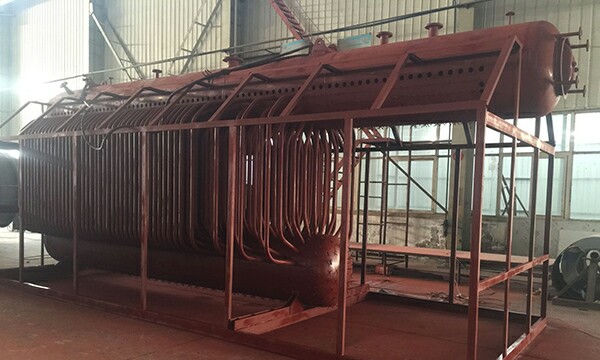
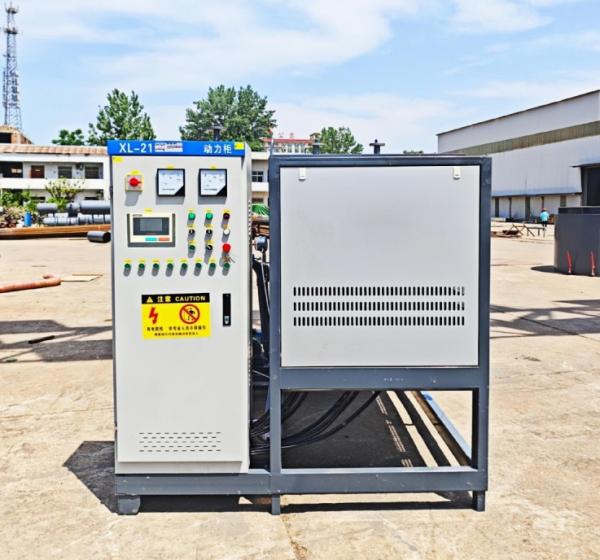
4-20 t/h (2 t/h model also built)
Double-drum water-tube biomass boiler, 4-20 t/h, shipped in two sections with membrane walls and an S-pass dust drop.
View details
5,000-200,000 Nm³/h
Cyclone, pulse-jet bag filter and ESP selection for coal and biomass boilers, sized 5,000-200,000 Nm³/h.
View detailsExternal links open the publisher’s website and are provided for background reading.
Yes, with a wide feeder and a tall furnace arch. Husk is light and bridges easily, so a belt feeder works better than a screw.
CIP draws more steam for a short period than pasteurisation does all day. Sizing on the peak avoids a pressure dip at the end of the shift.
Softening plus oxygen scavenging, with a carbon filter if the borehole water carries organic matter.
Sudan
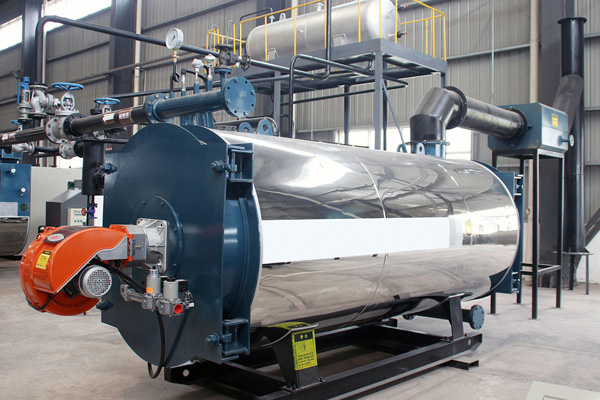
Two 2 t/h gas thermal oil heaters, about 1.4 MW each, hold 280 °C for bitumen heating in Sudan, where a 6.4 MPa steam plant wa...
View project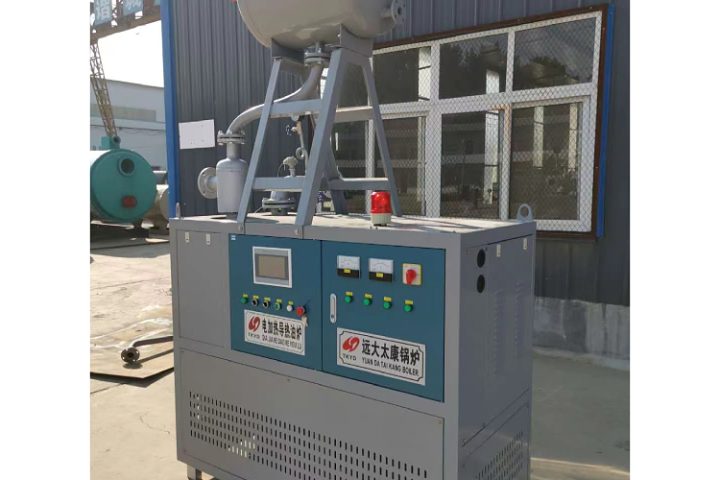
2024
Lagos, Nigeria
Two 3 t/h gas steam boilers supply cooking, drying and CIP steam at a seasoning plant in Lagos, with N+1 redundancy and a gas trai...
View project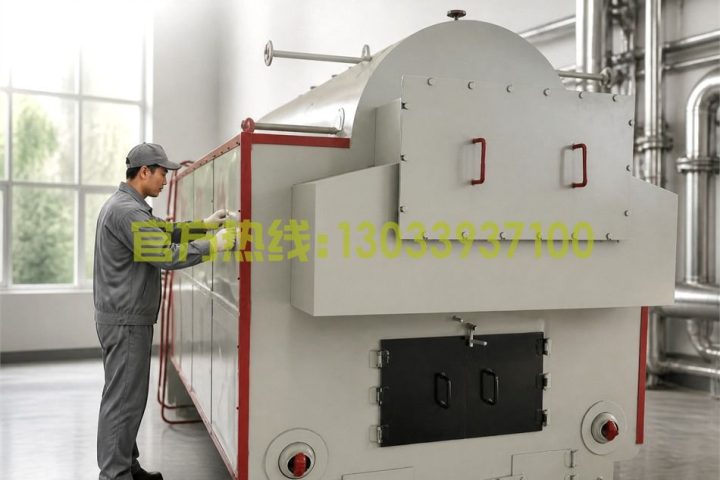
2023
General Santos, Philippines
2 t/h biomass steam boiler at 1.0 MPa on coconut shell, commissioned in 2023 in General Santos, Philippines: the cookers need dry...
View projectWe appoint one or two partners per country to quote, deliver and service our boilers locally. Territory protection, factory pricing and commissioning support are part of the agreement.