
The inspection calendar that avoids surprises
2 t/h at 1.25 MPa is the working point for a hospital plant in Choibalsan, Mongolia, where the hospital has one operator per shift and no instrument technician. The unit was selected on that operating pattern rather than on a catalogue rating, and the difference shows in how it holds pressure on the worst shift of the week.
Most boiler failures announce themselves months in advance, in a log nobody reads. Daily checks cover water level, pressure, stack temperature and burner behaviour; weekly checks cover the low-water cut-out and the flame scanner; the annual shutdown opens the shell, inspects tubes, tests safety valves and sets the controls. The items that fail silently are the ones with no process consequence until they do: the cut-out that never trips, the safety valve that is stuck shut.
Numbers that decide the design
At 2 t/h and 1.25 MPa the unit absorbs about 1.4 MW. On coal at roughly 79% efficiency, full-load demand is about 0.39 t/h. The figures are stated at the site’s conditions, because ambient temperature, altitude and fuel analysis all move them.
| Item | Value |
|---|---|
| Rated output | 2 t/h |
| Pressure / temperature | 1.25 MPa |
| Fuel | coal |
| Full-load fuel demand | 0.39 t/h |
| Thermal efficiency | about 79% |
What to watch on site
Spares strategy matters more than the calendar for export sites. A flame scanner, a set of electrodes, a feedwater pump seal kit and a pressure switch cover most unplanned stops, and they cost far less than airfreighting them later. Records of water chemistry, fuel receipts and inspection findings are also what an insurer or a buyer’s auditor asks for first.
Site note: the hospital has one operator per shift and no instrument technician. The operators log header pressure and stack temperature every two hours, which is enough to see fouling and load drift before either becomes a shutdown.
Why it matters
The inspection calendar that avoids surprises is not a detail to settle after the order. It decides the shell size, the burner, the feedwater train and the maintenance calendar, and it is cheaper to get right in the specification than in the boiler house.
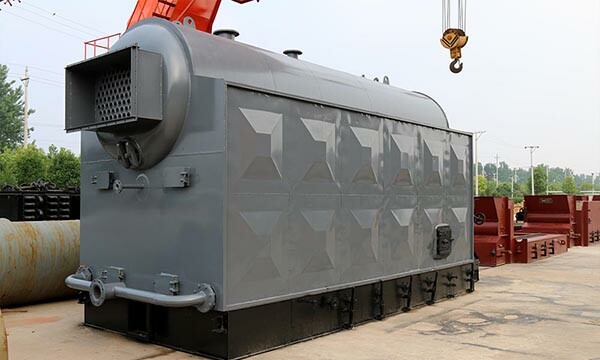
Equipment used in this kind of plant: szl coal water tube boiler and dust collector. The industry side is covered in this solution page, and project cases show comparable installations.
Background reading: external reference on steam and process heat.
Questions plant engineers ask
How often should safety valves be tested?
At least annually, preferably by lifting the valve under pressure. A valve that has sat closed for years may not open at set pressure.
Which spares should an export plant hold?
Flame scanner, ignition electrodes, feedwater pump seals, pressure and level switches, and a set of gaskets. These cover most short-notice failures.
Related note: 3 t/h Gas steam boiler in Kyrgyzstan: Where the fuel actually goes


