
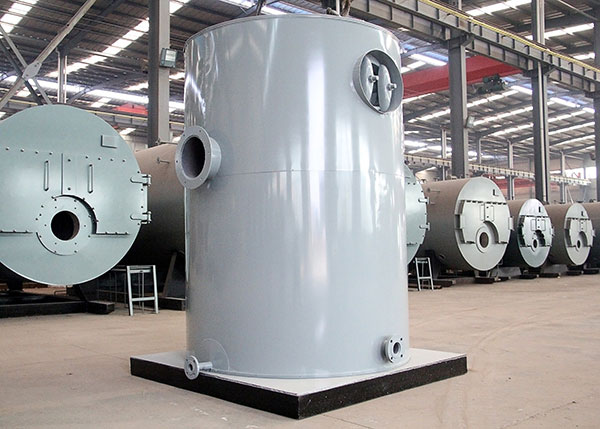
0.06-0.7 MW (10-90 ×10⁴ kcal/h)
CLHS Vertical Atmospheric Hot Water Boiler
Bottom-fired vertical fire-tube hot water boiler, 0.06-0.7 MW at atmospheric pressure, 85/65 C, for small heating and pool loads.
View detailsA YY(Q)W thermal oil heater package for asphalt mixing plants, sized 1-7 MW for bitumen tank heating at 150-170 °C and aggregate dryer fuel, matched to intermittent, seasonal duty.
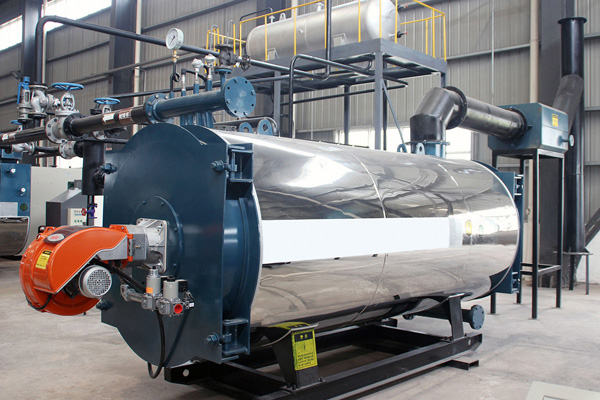
Asphalt mixing plants depend on two heat demands that are closely coupled to production. The first is bitumen storage: bitumen must be held in a pumpable, sprayable condition, typically at 150-170 °C, in tanks that may sit idle for hours or days between campaigns. The second is the aggregate dryer, which consumes fuel to dry and heat aggregate before mixing. A thermal oil heater package addresses the bitumen side directly and can serve as the heat source arrangement for dryer fuel where the plant design calls for it.
The YY(Q)W thermal oil heater is a once-through, forced-circulation liquid-phase heater. Thermal oil is heated in the coil and circulated to users at essentially atmospheric pressure in the loop, which suits bitumen service where uniform tank temperatures and controlled heat input matter more than steam pressure. The package is applied across a capacity range of 1-7 MW thermal oil, covering small to large mixing plants.
Asphalt mixing is not a continuous process. Heating demand is intermittent and seasonal: the plant may run at full rate during a paving season, then stand for extended periods. Bitumen tanks lose heat through insulation and structure, and the heater must recover tank temperature after draw-off and refill without overshooting the oil film temperature at the coil.
Sizing therefore starts from the connected bitumen storage volume, the target storage temperature band of 150-170 °C, the expected refill and draw-off rates, and the ambient conditions of the site. Because the duty is intermittent, the heater is selected with attention to turndown and to the thermal mass of the loop, so that short, high-demand periods are met and long idle periods do not force repeated cold starts. The 1-7 MW range allows the package to be matched to the plant rather than oversized; a proposal should be based on the actual tank farm and operating schedule.
The YY(Q)W package is offered with fuel options suited to plant sites, and the burner selection is made against the available fuel supply and the load profile. Efficiency depends on the flue gas exit temperature, the coil surface, and the insulation of the heater body and loop. For seasonal operation, standby losses and warm-up behaviour are as important as peak efficiency: a heater that holds temperature well between campaigns reduces fuel use across the year.
Where the aggregate dryer fuel is part of the scope, the heater package and the dryer fuel arrangement should be coordinated at the proposal stage so that fuel storage, supply pressure, and metering are consistent across the plant.
This is a liquid-phase thermal oil system, not a steam boiler. There is no steam quality to control and no feedwater treatment in the steam sense. The equivalent concerns are oil quality and loop cleanliness: the thermal oil must be suitable for the operating temperature, the loop must be free of moisture and debris before filling, and expansion tank levels and oil condition should be monitored. Moisture in a thermal oil loop is a known cause of erratic circulation and pressure fluctuation, so commissioning includes proper dehydration of the oil.
The package is supplied with a control system covering oil outlet temperature, circulation, burner modulation, and interlocks. Safety provisions address high oil temperature, low flow, expansion tank level, and flame failure, with the specific configuration confirmed at the proposal stage. Because bitumen heating is intermittent, the control philosophy should include setback or standby modes that hold tank temperature within the 150-170 °C band without unnecessary burner cycling.
To size and configure a YY(Q)W thermal oil heater package for an asphalt mixing plant, send: the number and volume of bitumen tanks and their target storage temperature; draw-off and refill rates; the required thermal capacity or the load data from which it can be calculated; the fuel available on site; site ambient conditions and altitude; the intended operating schedule, including seasonal patterns; and the scope boundary, i.e. whether the aggregate dryer fuel arrangement is included. With these inputs a proposal can be prepared without assumptions about plant size or duty.
No. The YY(Q)W is a liquid-phase thermal oil heater. It circulates heated oil at essentially atmospheric pressure in the loop, so steam quality and feedwater treatment do not apply; oil quality and loop cleanliness are the relevant checks.
Sizing uses the connected bitumen storage volume, the 150-170 °C storage band, draw-off and refill rates, ambient conditions and the operating schedule. Because duty is intermittent and seasonal, turndown and standby behaviour are considered alongside peak capacity within the 1-7 MW range.
Send tank count and volume, target storage temperature, draw-off and refill rates, required thermal capacity or load data, available fuel, site ambient conditions and altitude, the operating schedule, and whether the aggregate dryer fuel arrangement is in scope.
| Typical capacity | 1-7 MW thermal oil |
|---|---|
| Pressure/temperature | Liquid-phase thermal oil loop; bitumen storage at 150-170 °C |
| Fuel options | Selected per site fuel availability |
| Efficiency | Dependent on flue gas exit temperature, coil surface and insulation |
| Steam quality | Not applicable; liquid-phase thermal oil system |
| Controls | Oil outlet temperature, circulation, burner modulation, interlocks |
| Water treatment | Not applicable; oil quality and loop cleanliness monitored instead |
| Scope of supply | Heater package with burner and controls; loop and tank farm scope confirmed per project |
| Duty profile | Intermittent and seasonal; turndown and standby behaviour considered |
| Application | Bitumen tanks and aggregate dryer fuel |
0.06-0.7 MW (10-90 ×10⁴ kcal/h)
Bottom-fired vertical fire-tube hot water boiler, 0.06-0.7 MW at atmospheric pressure, 85/65 C, for small heating and pool loads.
View details
0.5–10 t/h
Steam boiler package for food processing: WNS gas or electric, 0.5-10 t/h at 0.7-1.25 MPa. Handles shift-based loads and sharp CIP...
View details20 t/h
The WNS20-1.25-Q is a packaged three-pass wet-back fire-tube boiler delivering 20 t/h of steam at 1.25 MPa and 194 °C, firing natu...
View detailsExternal links open the publisher’s website and are provided for background reading.
Include the capacity (t/h or MW), fuel, working pressure and site country so the proposal matches your permit limits.
We appoint one or two partners per country to quote, deliver and service our boilers locally. Territory protection, factory pricing and commissioning support are part of the agreement.