
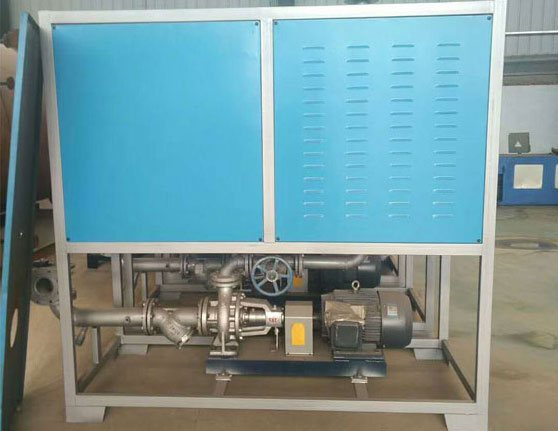
7-1400 kW (9-720 kW in the standard table)
Electromagnetic Thermal Oil Heater, 7-1400 kW
Induction thermal oil heater, 7-1400 kW, 0.6 MPa design and 320 °C working temperature, for presses, dryers and reactors.
View detailsHorizontal electric hot water boiler, 0.35-2.8 MW at 85/60 °C, for district heating, hospitals and process hot water without a flue.
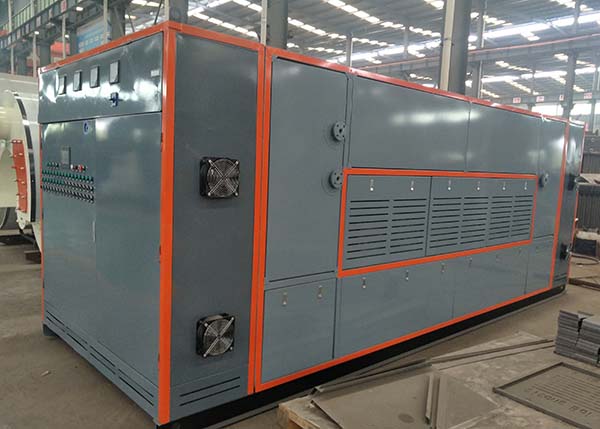
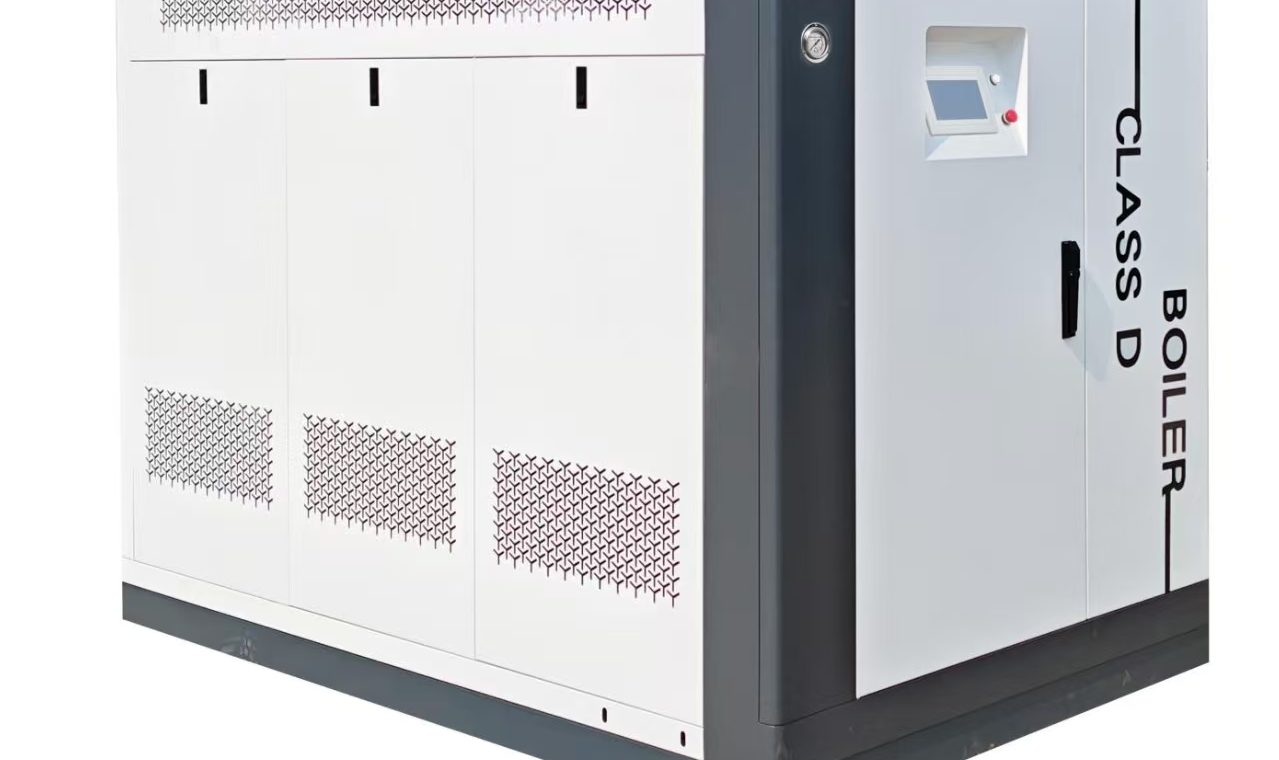
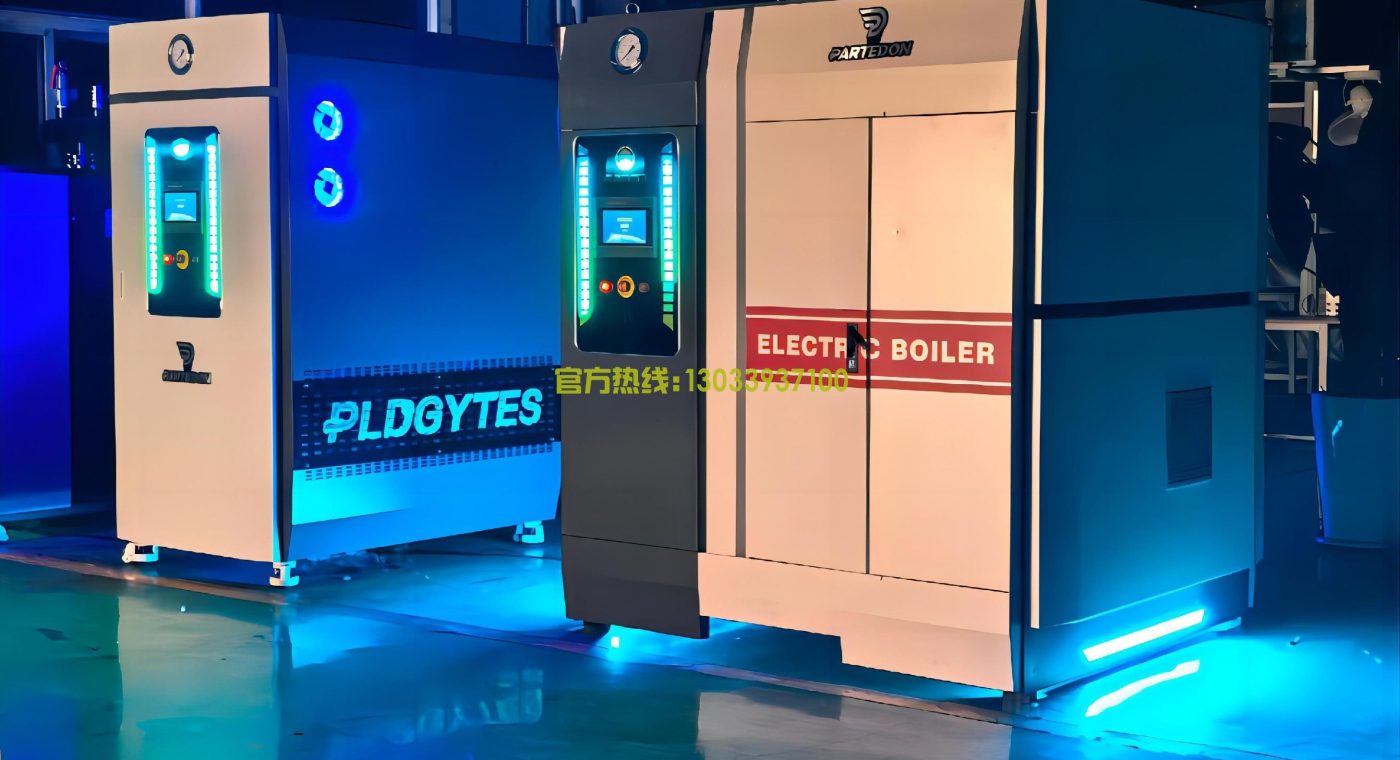
The CWDR is the hot-water member of the electric family: a horizontal shell filled with water, element bundles on flanges, and a closed circuit flowing at 85 °C supply and 60 °C return. There is no burner, no fuel line and no stack, so the plant room has no flue penetration, no combustion air louvre sized for a fan, and no NOx reading to report. Heat output spans 0.35 to 2.8 MW, which covers a hospital wing, a hotel, a school campus or a block of flats.
Because the circuit is closed, the water is treated once and then circulated. Make-up is limited to the small quantity needed to cover leaks, so scale and corrosion in the shell are far slower than in a steam boiler of the same output. That is one reason the CWDR’s element bundles tend to reach their nominal life with little attention.
At a 25 K design rise the flow is about 3.4 m³/h per 100 kW, so a 1.4 MW unit moves some 48 m³/h. Primary pumps should be selected for that flow with a modest margin, and the boiler should not be asked to run at a wide delta-T to save pump energy: a 40 K spread across an electric shell creates uneven temperatures around the bundle and can trip the over-temperature protection at the top of the shell. Keep the design spread at 25 K and let the terminal units or a mixing valve do the rest.
The shell is a pressure vessel, but the operating pressure is set by the system static head rather than by steam demand. In a tall building, a 0.7 MPa design allows the plant to sit at the bottom without a plate heat exchanger; in a low-rise estate, an atmospheric or low-pressure arrangement is enough. Either way, the safety valve setting and the expansion vessel must be sized for the whole circuit, not just the boiler.
Electric heat is expensive to install in capacity terms because the electricity supply must match the full boiler rating. That makes an honest load calculation more valuable than a safety margin. Take the building fabric loss at design outdoor temperature, add ventilation and hot-water demand, apply a diversity factor to the hot-water fraction, and subtract any recovered heat. A 2.8 MW unit specified for a 1.8 MW load will spend its life cycling and will need a larger transformer than the job warrants.
Where the load is domestic hot water rather than space heating, a buffer vessel of 1 to 2 litres per kW is normal. It lets the boiler run at steady output instead of chasing every draw-off, and it protects the element staging from short cycling. The same vessel absorbs the volume change in the circuit and reduces the size of the expansion equipment.
The PLC holds flow temperature on a weather-compensated curve: the setpoint falls as the outdoor temperature rises, so the return temperature stays low and the terminal units modulate instead of hunting. Zone pumps and mixing valves can be driven from the same controller, and the boiler can be interlocked with the building management system over a Modbus or dry-contact interface.
Element groups are staged to match demand, with a rotating lead group so that no single bundle accumulates all the running hours. The result is a boiler that holds flow temperature within a degree or two across a wide load range, without the minimum-fire constraint that limits a gas burner to roughly a quarter of its rating.
Delivering 1 MWh of heat at 98 per cent efficiency takes about 1020 kWh at the meter. A gas boiler at 92 per cent needs roughly 110 Nm³ of natural gas for the same megawatt-hour. So the comparison is 1020 times the kWh tariff against 110 times the gas tariff. Electricity wins where power is priced at roughly a tenth of gas per unit of energy, and by a wider margin where hydro or nuclear supply is available at industrial rates.
For a heat pump or a district scheme with a low-carbon grid, the CWDR is often the peak and back-up unit rather than the base load: it starts instantly, has no minimum run time and no flue, which makes it a natural fit for a plant room that already has a heat pump on base load.
No. There is no combustion, so no flue or chimney is needed. The plant room still needs ventilation to remove the small casing losses and a suitable floor drain for the safety valve discharge.
Yes. The setpoint is adjustable and the controller can run a low-temperature curve. The element staging works at low load, although the boiler is at its most efficient when the return stays below the design 60 °C.
About 1400 kW of connected load, or roughly 2100 A at 380 V three-phase. The supply transformer, cable and switchgear must be sized for that current, and the utility connection is usually the longest lead item in the project.
| Model | CWDR0.35-85/60 | CWDR0.7-85/60 | CWDR1.4-85/60 | CWDR2.1-85/60 | CWDR2.8-85/60 |
|---|---|---|---|---|---|
| Rated heat output | 0.35 MW | 0.7 MW | 1.4 MW | 2.1 MW | 2.8 MW |
| Flow / return | 85/60 °C | 85/60 °C | 85/60 °C | 85/60 °C | 85/60 °C |
| Installed power | 350 kW | 700 kW | 1400 kW | 2100 kW | 2800 kW |
| Heated area (reference) | 3000 m² | 6000 m² | 12000 m² | 18000 m² | 24000 m² |
| Circulating flow at 25 K | 12 m³/h | 24 m³/h | 48 m³/h | 72 m³/h | 96 m³/h |
| Empty weight | 0.9 t | 1.4 t | 2.5 t | 3.8 t | 5.7 t |
7-1400 kW (9-720 kW in the standard table)
Induction thermal oil heater, 7-1400 kW, 0.6 MPa design and 320 °C working temperature, for presses, dryers and reactors.
View details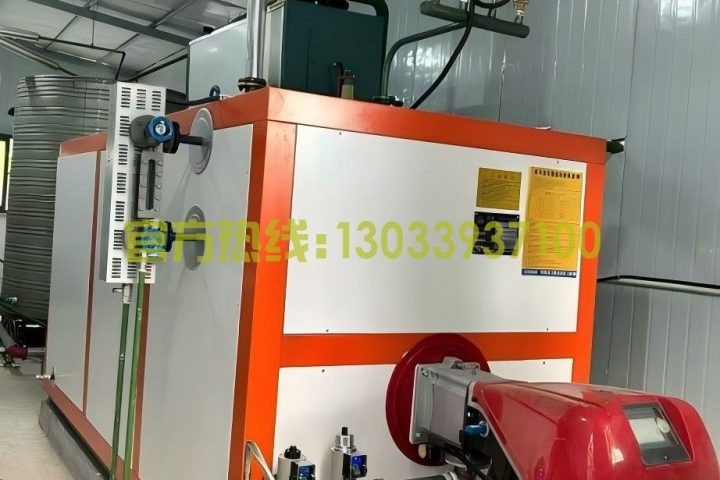
0.1-1 t/h from 50, 60, 80 or 100 kW modules
Parallel 50-100 kW electric steam modules, 0.1-1 t/h at 0.4-0.7 MPa, staged by PLC so part-load efficiency holds and one module is...
View details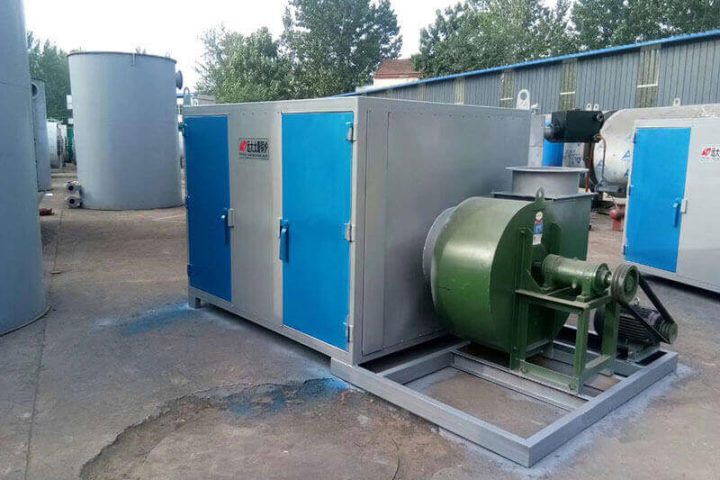
0.35-2.8 MW
Carbon-fibre infrared hot air furnace, 0.35-2.8 MW, delivering clean hot air at 80-300 °C for drying, curing and coating lines.
View detailsExternal links open the publisher’s website and are provided for background reading.
Include the capacity (t/h or MW), fuel, working pressure and site country so the proposal matches your permit limits.
We appoint one or two partners per country to quote, deliver and service our boilers locally. Territory protection, factory pricing and commissioning support are part of the agreement.