
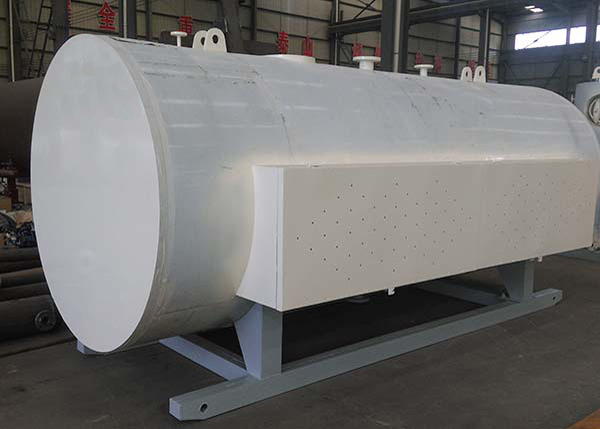
1 t/h
1 t/h Electric Steam Boiler WDR1-0.7
The WDR1-0.7 is a 1 t/h electric steam boiler producing 0.7 MPa steam at 170 °C. Heating elements sit in a horizontal shell with n...
View detailsThe WDR2-0.7 delivers 2 t/h of steam at 0.7 MPa and 170 °C from electric heating elements in a horizontal shell. Rated electric input is 140 kW at 98% efficiency (LHV basis), with no flue and no fuel storage.
The WDR2-0.7 is a 2 t/h unit in the WDR Electric Steam Boiler series. It produces steam at 0.7 MPa and 170 °C using electric heating elements mounted in a horizontal shell. There is no flue and no fuel storage: the boiler draws electric power directly and converts it to steam heat. Rated electric input is 140 kW at rated output, quoted at 98% efficiency on an LHV basis.
At 2 t/h, the WDR2-0.7 fits process loads that need a steady, moderate steam supply without combustion infrastructure. Typical duty profiles include:
The 0.7 MPa / 170 °C steam condition covers saturated-steam duties at this pressure class; confirm the process requires saturated steam at this pressure before selecting the model.
The brief gives 140 kW at rated output as electric power at 98% efficiency (LHV basis). The figure is the electrical input needed to raise steam at the rated 2 t/h output, allowing for the stated 98% efficiency. Because the unit is electric, the fuel rate is expressed as electric power rather than a mass or volume of combustible fuel. Electrical supply capacity, cabling and protection should be sized against this 140 kW input figure.
Electric element boilers modulate by staging heating elements rather than by firing rate. At 2 t/h, the element bank is divided into groups that switch in and out to follow steam demand, so output tracks load in steps rather than continuously. Efficiency at part load stays close to the rated 98% because there is no flue loss to vary with firing rate; the main part-load consideration is the step size between element stages and the resulting pressure band. For processes with wide, fast swings, review the staging arrangement against the load profile.
The WDR2-0.7 is a horizontal-shell unit, so the installation envelope is set by the shell length and the clearance needed for element access, headroom for steam and water connections, and space for electrical panels and cabling. Because there is no flue and no fuel storage, the plant room does not need a chimney, fuel bunker or fuel delivery access. Plan for: a level foundation sized to the shell; clearance at the element end for withdrawal and service; steam, feedwater and blowdown pipe runs; and a dedicated electrical supply sized to the 140 kW input. Confirm actual dimensions against the model drawing before layout.
As with any steam boiler, feedwater and boiler water quality govern tube and shell life. For the WDR2-0.7, set up feedwater softening or demineralisation and boiler water chemical control appropriate to a 0.7 MPa saturated-steam unit, with routine blowdown to hold dissolved solids within limits. Electric elements are sensitive to scale deposition on their surfaces, so water treatment and regular water testing are central to maintaining the rated 98% efficiency and element life. Establish a water-quality programme before commissioning.
Control is by pressure-responsive staging of the electric heating elements, with the burner/control arrangement listed in the specifications. The control package should include pressure control with safety interlocks, low-water protection, and element over-temperature protection. Because the heat source is electrical, controls also cover the electrical supply: contactors or solid-state switching for the element groups, and metering of the 140 kW input. Confirm the control scope and interface requirements for your plant at order stage.
Choose the 2 t/h WDR2-0.7 when peak steam demand sits near 2 t/h at 0.7 MPa and the site wants a flue-free, fuel-storage-free boiler. The next size down would leave little margin for peak or future load; the next size up adds capacity and electrical input beyond a 2 t/h duty. If your load profile is steady near 2 t/h, this model matches it without oversizing the electrical supply.
| Parameter | Value |
|---|---|
| Model | WDR2-0.7 |
| Capacity | 2 t/h |
| Pressure | 0.7 MPa |
| Steam temperature | 170 °C |
| Feedwater temperature | Not specified in brief |
| Fuel | Electricity |
| Fuel consumption at rated output | 140 kW (electric power, 98% efficiency) |
| Efficiency | 98% (LHV basis) |
| Burner/control | Electric heating elements in horizontal shell; no flue, no fuel storage |
| Application | Process steam at 2 t/h, 0.7 MPa, 170 °C |
The rated electric input is 140 kW at rated output, quoted at 98% efficiency (LHV basis). Size the site supply, cabling and protection against this 140 kW figure; the brief does not specify voltage or phase, so confirm the electrical configuration with the supplier before installation.
No. The WDR2-0.7 uses electric heating elements in a horizontal shell, with no flue and no fuel storage. That removes chimney, fuel bunker and fuel delivery requirements from the plant layout, though you still need element access clearance and a supply sized to the 140 kW input.
Output is controlled by staging the electric heating elements in groups rather than by modulating a flame. Efficiency stays close to the rated 98% at part load because there is no flue loss to vary. The practical part-load consideration is the step size between element stages and the resulting pressure band, which should be checked against your load profile.
| Model | WDR2-0.7 |
|---|---|
| Capacity | 2 t/h |
| Pressure | 0.7 MPa |
| Steam temperature | 170 °C |
| Feedwater temperature | Not specified in brief |
| Fuel | Electricity |
| Fuel consumption at rated output | 140 kW (electric power, 98% efficiency) |
| Efficiency | 98% (LHV basis) |
| Burner/control | Electric heating elements in horizontal shell; no flue, no fuel storage |
| Application | Process steam at 2 t/h, 0.7 MPa, 170 °C |
1 t/h
The WDR1-0.7 is a 1 t/h electric steam boiler producing 0.7 MPa steam at 170 °C. Heating elements sit in a horizontal shell with n...
View details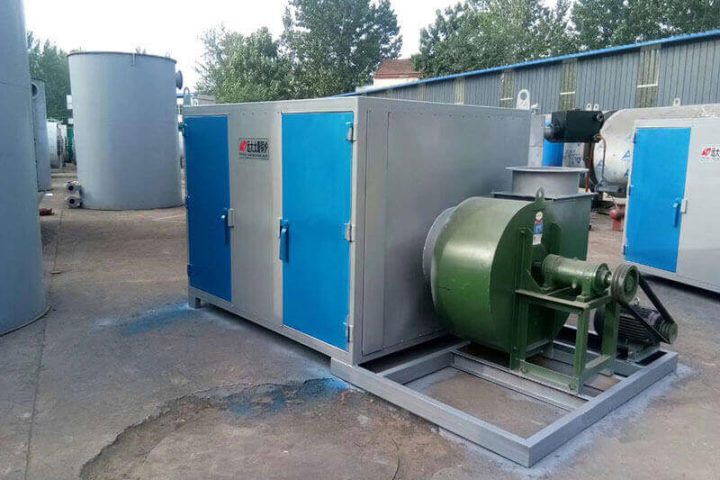
0.35-2.8 MW
Carbon-fibre infrared hot air furnace, 0.35-2.8 MW, delivering clean hot air at 80-300 °C for drying, curing and coating lines.
View details0.1-2 t/h (0.3-2 t/h in the standard table)
Horizontal electric steam boiler, 0.1-2 t/h at 0.7-1.25 MPa, with flange-mounted element bundles, PLC staging and no flue or burne...
View detailsExternal links open the publisher’s website and are provided for background reading.
Include the capacity (t/h or MW), fuel, working pressure and site country so the proposal matches your permit limits.
We appoint one or two partners per country to quote, deliver and service our boilers locally. Territory protection, factory pricing and commissioning support are part of the agreement.