

6-100 t/h
SZS Water-Tube Gas/Oil Steam Boiler, 6-100 t/h
Membrane-wall water-tube steam boiler with staged combustion and FGR, 6-100 t/h at up to 2.5 MPa and 98% efficiency with heat reco...
View detailsAn 8 t/h water-tube gas boiler supplies dyeing and stentering steam in Bursa, Turkey, with heat recovery from the stenter exhaust and a 30 mg/Nm3 NOx burner.
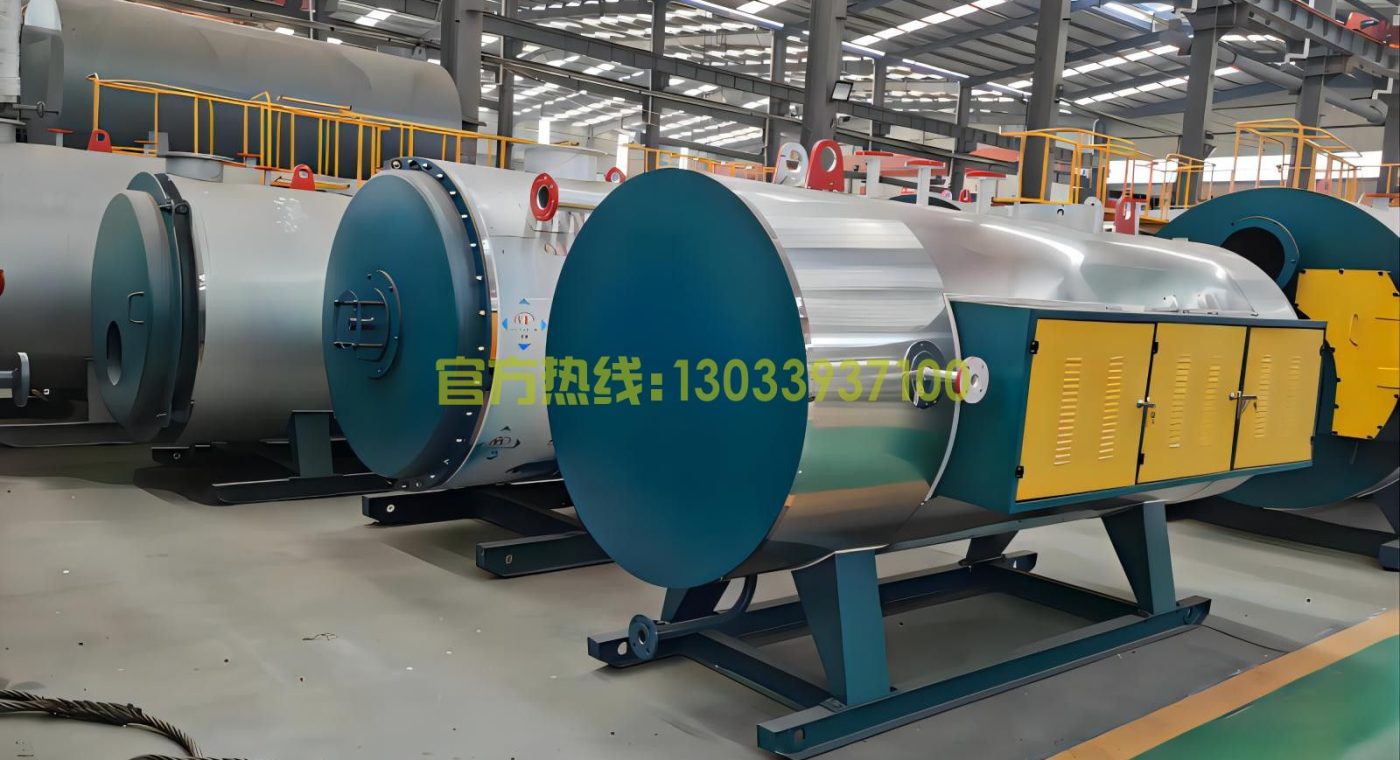
The plant in Bursa dyes and finishes knitted fabric for European brands. It runs eight dyeing machines, three stenters and a sanforising line, and steam demand is 5-6 t/h with a 7 t/h peak. The boiler is an 8 t/h SZS water-tube unit at 1.25 MPa.
What makes this installation unusual is the heat recovery: the stenters exhaust 160-180 °C air, and the plant already had air-to-water exchangers that preheat feedwater to about 85 °C. The boiler’s economizer takes the flue gas from 200 to 130 °C, and between them the plant recovers more heat than the boiler itself consumes in stack losses.
At 8 t/h and 1.25 MPa the boiler absorbs about 5.6 MW. On natural gas at 35 MJ/Nm3 and 95% efficiency, full-load gas use is about 590 Nm3/h. The low-NOx burner holds under 30 mg/Nm3 at 3% O2 without flue-gas recirculation, which was the local permit limit.
| Item | Value |
|---|---|
| Rated evaporation | 8 t/h |
| Pressure / temperature | 1.25 MPa / 194 °C |
| Full-load gas rate | about 590 Nm3/h |
| Efficiency with economizer | about 95% |
| NOx | under 30 mg/Nm3 |
| Feedwater preheat | about 85 °C from stenter recovery |
At 8 t/h the plant compared fire-tube and water-tube. The water-tube SZS won on two counts: the furnace volume gives a longer residence time for NOx control, and the unit tolerates the fast load swings of a dye house better because its water inventory is smaller and its response is quicker. The trade-off is a more complex feedwater control, which the plant’s maintenance team was trained on during commissioning.
The boiler house is tight, and the SZS’s vertical layout – burner at the front, convection bank above the furnace – fitted the available footprint. A fire-tube of the same rating would have needed a longer floor.
The plant runs one boiler at 60-80% through the week and shuts down on Sunday. The feedwater is softened and deaerated, with TDS held at 3,000 ppm for the water-tube design. The plant’s main lesson was that the water-tube unit is less forgiving of low water level than the old fire-tube: the level control now has a redundant electrode and the plant tests it weekly.
Specific gas consumption is about 71 Nm3 per tonne of steam, helped by the 85 °C feedwater and the economizer. NOx has stayed under the permit limit through two inspections, and the plant has not had an unplanned boiler stop in 18 months.
6-100 t/h
Membrane-wall water-tube steam boiler with staged combustion and FGR, 6-100 t/h at up to 2.5 MPa and 98% efficiency with heat reco...
View details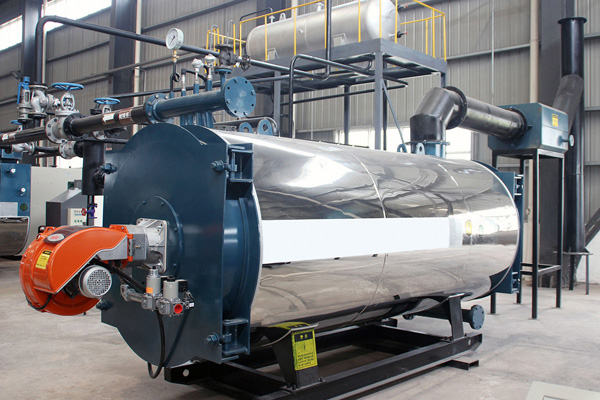
120-5,800 kW
Horizontal liquid-phase thermal oil heater, 120-5,800 kW, disc coil heating surface, 300-340 C at 0.8-1.0 MPa working pressure.
View details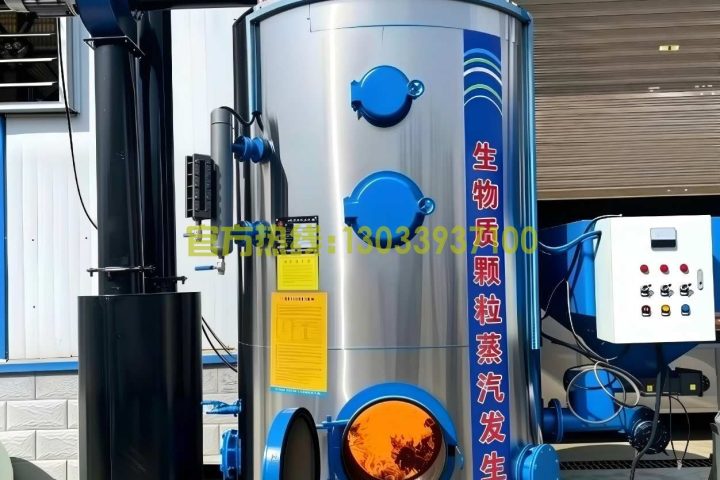
10-50 t/h feedwater
Tray-type thermal deaerator, 10-50 t/h, removing oxygen to below 15 ppb and heating feedwater to 104-105 °C before it reaches the...
View detailsExternal links open the publisher’s website and are provided for background reading.
Every 10 K of feedwater preheat saves roughly 1% of fuel. Stenter recovery at 85 C instead of 20 C make-up is worth about 6-7%.
It needs tighter water-level control and better water chemistry than a fire-tube unit, but it responds faster and gives more furnace volume for low NOx.
The local limit for gas-fired boilers in this size class is 30 mg/Nm3 at 3% O2, which a staged low-NOx burner meets without flue-gas recirculation.
2024
Sohar, Oman
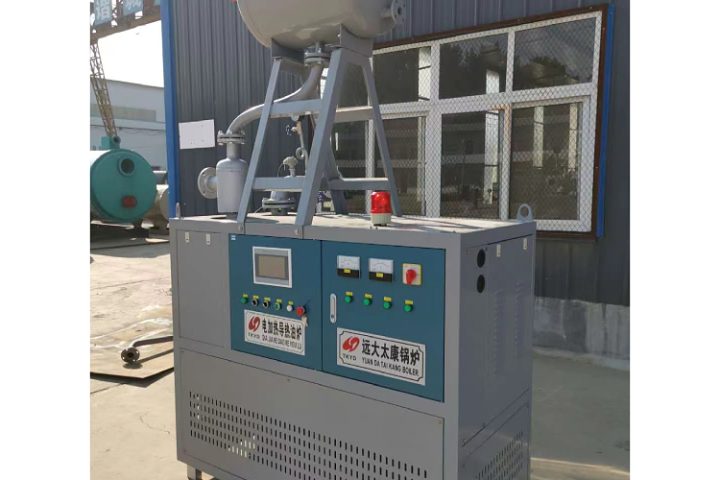
4 t/h gas steam boiler at 1.0 MPa on natural gas, commissioned in 2024 in Sohar, Oman: ambient reaches 48 °C and the boiler house...
View project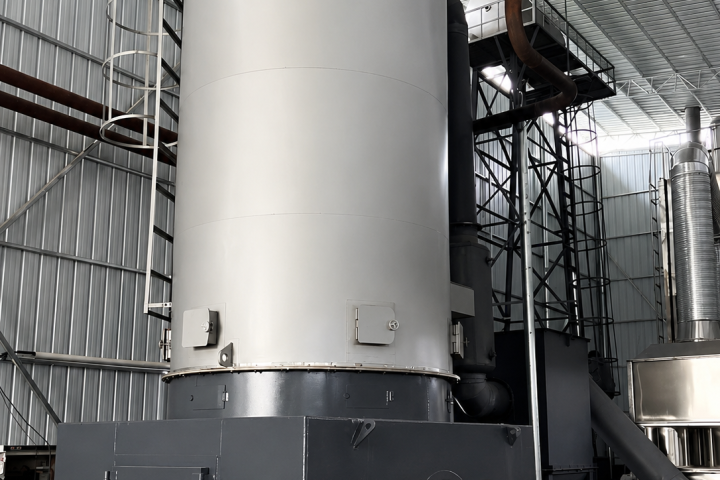
2022
Dammam, Eastern Province, Saudi Arabia
A gas-fired heat conduction oil furnace was supplied for industrial wax melting in Dammam, Eastern Province, Saudi Arabia, with sc...
View project
2024
Medan, North Sumatra, Indonesia
Two 4 t/h biomass boilers on palm kernel shell and fibre supply steriliser and digester steam at a crude palm oil mill near Medan,...
View projectWe appoint one or two partners per country to quote, deliver and service our boilers locally. Territory protection, factory pricing and commissioning support are part of the agreement.