
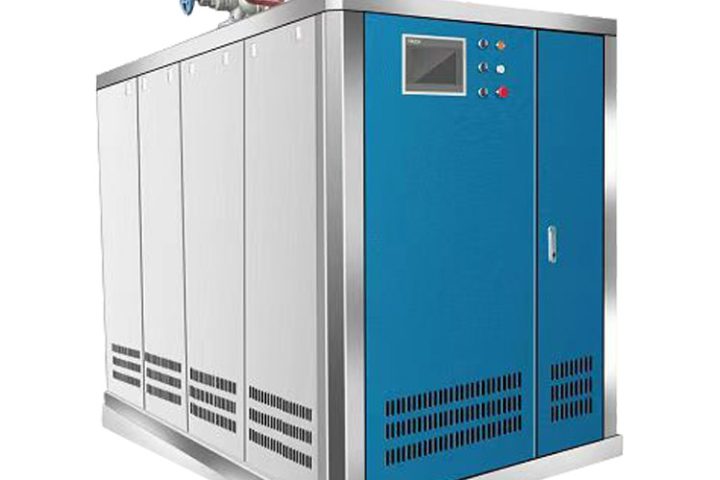
30-500 kW
Electric Boiling Water Boiler, CK Series, 30-500 kW
Atmospheric drinking-water boiler, 30-500 kW, delivering 200-1,000 L/h of 100 °C boiled water for canteens, schools, hospitals and...
View detailsInduction thermal oil heater, 7-1400 kW, 0.6 MPa design and 320 °C working temperature, for presses, dryers and reactors.
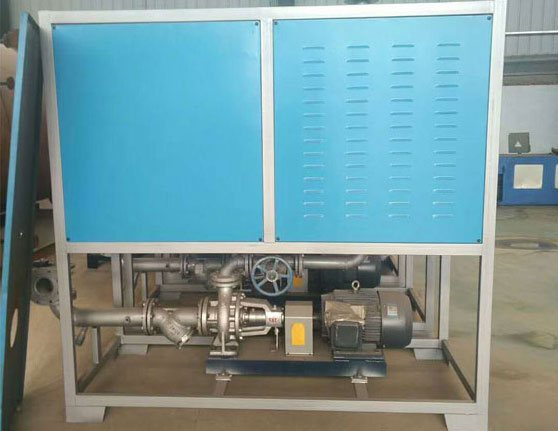
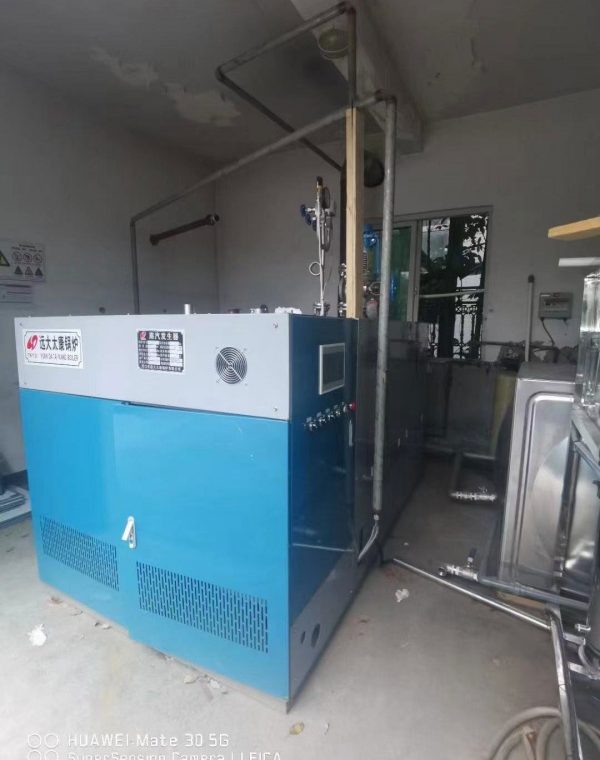
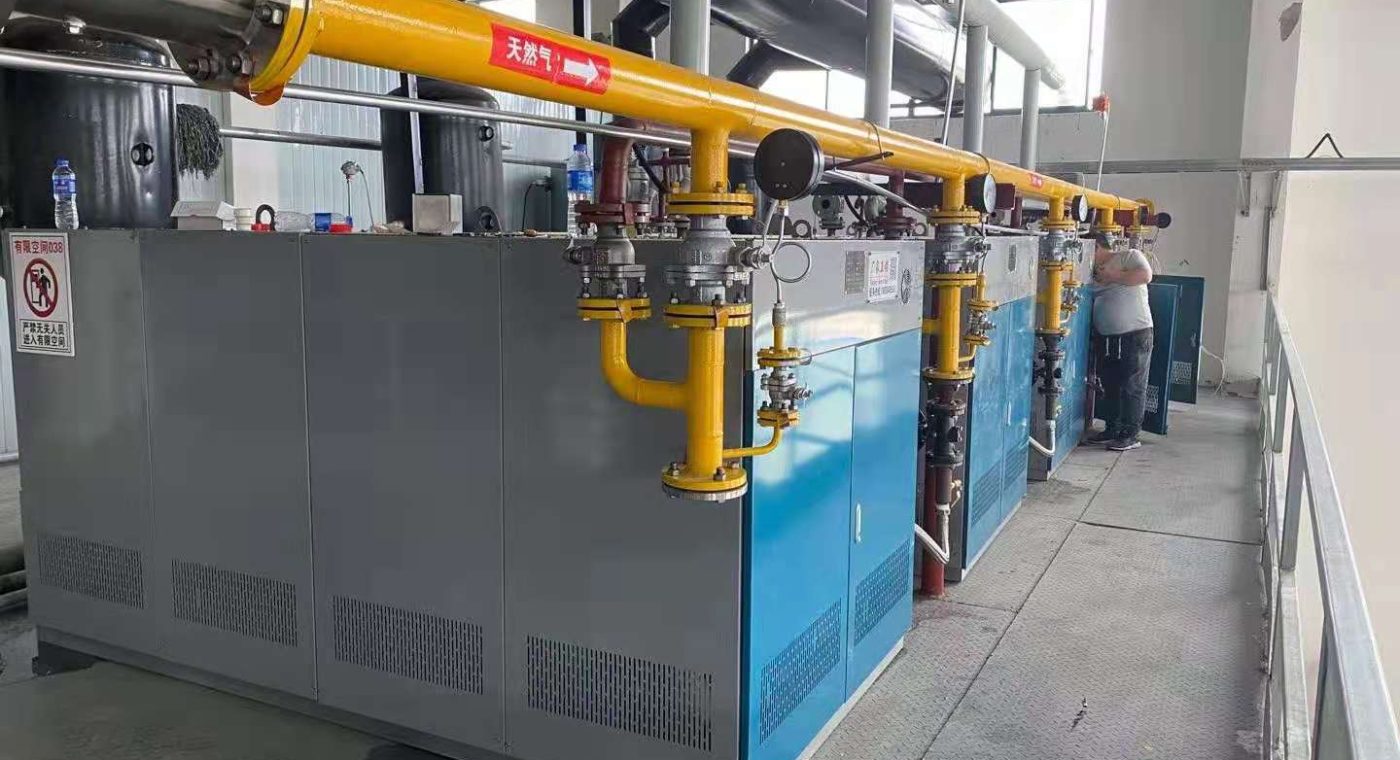
Water at 320 °C would need a pressure of about 11 MPa and a very different class of boiler. Thermal oil at the same temperature needs 0.6 MPa, because the oil stays liquid far above the boiling point of water. That single fact explains why heat transfer oil systems dominate press, stenter and reactor heating: the pipework is thin-walled, the flanges are ordinary, and the plant does not need a steam boiler house or a licensed operator watching a water level.
The electromagnetic version uses induction coils to heat the oil directly as it passes through the heater body. There is no immersion element in the oil, so there is no sheath to coke, and the heat flux is spread over the wetted surface rather than concentrated at a wire. Coke formation is the main life-limiting mechanism in oil systems, and lowering the peak surface temperature is the most effective way to delay it.
A thermal oil installation is a loop: heater, circulating pump, expansion tank, deaerator or oil degasser, filters, safety valves and the user equipment. The heater is only one component, and most of the operating problems on such systems come from the other parts. The expansion tank must be sized for the thermal expansion of the whole charge — roughly 7 to 10 per cent between cold and 320 °C for typical oils — and must sit at the highest point with a generous freeboard so that the pump suction stays flooded.
The circulating pump is selected for the required flow at the system pressure drop, with the flow rate set by the temperature rise across the heater. A 300 kW unit at a 20 K rise moves roughly 25 m³/h of oil, so the pump is normally selected a little above that figure; pushing the same unit to a 40 K rise halves the flow and doubles the film temperature, which is exactly the wrong trade.
Oil degrades by two routes: bulk overheating and local film overheating at the heated surface. Both are controlled by flow. Keep the velocity in the heater tubes above about 1.5 m/s, and design for turbulent flow at the lowest expected load, not just at full output. A system that runs at 20 per cent load for long periods needs either a smaller heater or a variable-speed pump, because the flow falls with the load and the film temperature climbs.
Oil life also depends on the blanket gas above the expansion tank. Hot oil in contact with air oxidises, forming acids and sludge. A nitrogen blanket or a closed expansion tank with a flexible diaphragm will roughly double the useful life of the charge, and oil analysis once a year will tell you when to change it before the acidity climbs.
The controller holds outlet temperature to ±1 °C, which is what presses, calenders and reactors need to keep product quality stable. Heating is staged in groups, and a PID loop trims the last stage so that the outlet temperature does not overshoot on start-up. Over-temperature, low flow, low oil level and over-pressure are all interlocked to trip the heater; a flow switch on the pump discharge is the single most important safety device on the package.
The heater body is insulated and clad, with surface temperature below the usual 60 °C touch limit. Flanges are guarded, and the expansion tank is vented to a safe place, because hot oil vapour is unpleasant and flammable above its flash point.
Standard units run from 9 kW to 720 kW, with custom builds to 1400 kW. Duties include rubber vulcanising presses, textile stenters and dryers, paper machine hoods, chemical reactor jackets, bitumen and asphalt heating, wood drying kilns and food frying lines.
The attraction against a gas-fired oil heater is the absence of a flue and burner, which suits clean rooms, food plants and urban sites. Against steam, the attraction is the low pressure and the absence of water treatment and blowdown. The trade-off is the cost of the oil charge and the need to manage its condition, which is a scheduled task rather than a daily one.
320 °C at the heater outlet, with a design pressure of 0.6 MPa. The actual limit depends on the oil grade; mineral oils are typically rated to 320 °C, while synthetic fluids allow higher temperatures at higher cost.
No water is involved, so there is no softening, deaeration or blowdown. The equivalent tasks are oil analysis, filter cleaning and keeping air out of the expansion tank.
Only where the user equipment is designed for oil. Retrofitting a steam-heated press to oil requires new jackets or heat exchangers, so the change is usually made at the equipment specification stage rather than as a boiler swap.
| Model | XLDRY-24 | XLDRY-60 | XLDRY-120 | XLDRY-240 | XLDRY-300 | XLDRY-600 |
|---|---|---|---|---|---|---|
| Electric power | 24 kW | 60 kW | 120 kW | 240 kW | 300 kW | 600 kW |
| Heat output | 2×10⁴ kcal/h | 5×10⁴ kcal/h | 10×10⁴ kcal/h | 20×10⁴ kcal/h | 25×10⁴ kcal/h | 50×10⁴ kcal/h |
| Design pressure | 0.6 MPa | 0.6 MPa | 0.6 MPa | 0.6 MPa | 0.6 MPa | 0.6 MPa |
| Max working temperature | 320 °C | 320 °C | 320 °C | 320 °C | 320 °C | 320 °C |
| Oil capacity | 28 L | 52 L | 105 L | 260 L | 290 L | 562 L |
| Circulation pump | 10 m³/h, 2.2 kW | 16 m³/h, 4 kW | 30 m³/h, 7.5 kW | 45 m³/h, 11 kW | 50 m³/h, 15 kW | 80 m³/h, 22 kW |
30-500 kW
Atmospheric drinking-water boiler, 30-500 kW, delivering 200-1,000 L/h of 100 °C boiled water for canteens, schools, hospitals and...
View details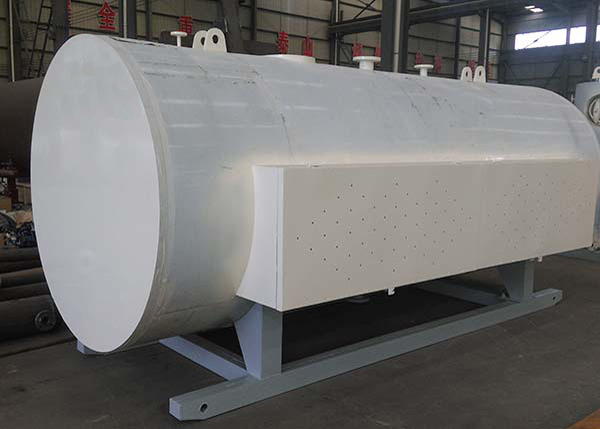
1 t/h
The WDR1-0.7 is a 1 t/h electric steam boiler producing 0.7 MPa steam at 170 °C. Heating elements sit in a horizontal shell with n...
View details0.1-2 t/h (0.3-2 t/h in the standard table)
Horizontal electric steam boiler, 0.1-2 t/h at 0.7-1.25 MPa, with flange-mounted element bundles, PLC staging and no flue or burne...
View detailsExternal links open the publisher’s website and are provided for background reading.
Include the capacity (t/h or MW), fuel, working pressure and site country so the proposal matches your permit limits.
We appoint one or two partners per country to quote, deliver and service our boilers locally. Territory protection, factory pricing and commissioning support are part of the agreement.