

1-100 t/h (0.7-70 MW)
WNS Gas/Oil Steam Boiler, 1-100 t/h
Packaged three-pass wet-back fire-tube steam boiler for gas and oil, 1-100 t/h at 1.25 MPa, with matched modulating burner and ful...
View detailsA 5 t/h gas steam boiler supplies cooking, pasteurisation and CIP steam at a food plant in Johannesburg, with load-shedding resilience and a dual-fuel option.
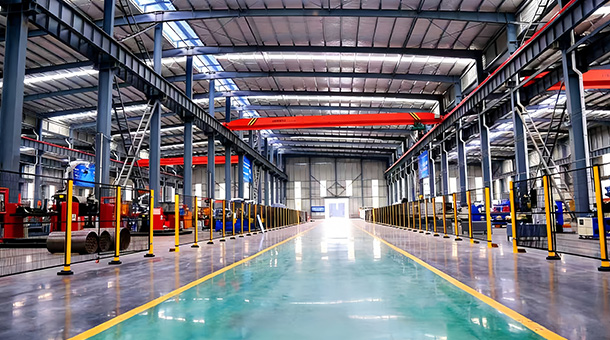
The plant makes sauces, soups and ready meals in Johannesburg. Its steam load is 3-3.5 t/h for cooking kettles, a pasteuriser and CIP, with a 4.2 t/h peak at shift start. The boiler is a 5 t/h WNS fire-tube unit at 1.0 MPa, fired on natural gas.
South Africa’s grid constraints shaped the installation as much as the process did. The plant’s old electric steam generator could not run during load-shedding, and the gas boiler now carries the steam load independently of the grid. The boiler house has a small UPS for the control panel and a standby diesel generator for the feedwater pump and fans, so a grid outage does not stop steam production.
At 5 t/h and 1.0 MPa the boiler absorbs about 3.5 MW. On natural gas at 34 MJ/Nm3 and 93% efficiency, the full-load gas rate is about 400 Nm3/h. The economizer takes the stack to about 140 °C, and the plant runs at 60-75% load for most of the day.
| Item | Value |
|---|---|
| Rated evaporation | 5 t/h |
| Pressure | 1.0 MPa |
| Average / peak load | 3.0-3.5 / 4.2 t/h |
| Full-load gas rate | about 400 Nm3/h |
| Efficiency | about 93% |
| Backup power | diesel generator for auxiliaries |
Johannesburg’s water is moderately hard, and the plant softens make-up to 0.03 mmol/L. The Highveld’s altitude of 1,750 m reduces air density by about 18%, so the burner was selected with an altitude margin and commissioned on site with a flue-gas analyser.
The plant’s steam is used in jacketed kettles and a pasteuriser, so TDS is held at 2,000 ppm and the header has a separator. The plant also added a condensate return line from the kettles, which now returns about 50% of the steam as hot water.
Installation took five weeks, including the gas line and the backup power. Commissioning was six days. The first winter exposed a combustion problem at low load: the burner’s excess air drifted high and CO rose, and the fix was a re-trim of the low-fire curve rather than new hardware.
The plant now runs through load-shedding without losing steam, and its energy cost per tonne of product fell by about 20% against the electric generator. The boiler has run 18 months without an unplanned stop.
1-100 t/h (0.7-70 MW)
Packaged three-pass wet-back fire-tube steam boiler for gas and oil, 1-100 t/h at 1.25 MPa, with matched modulating burner and ful...
View details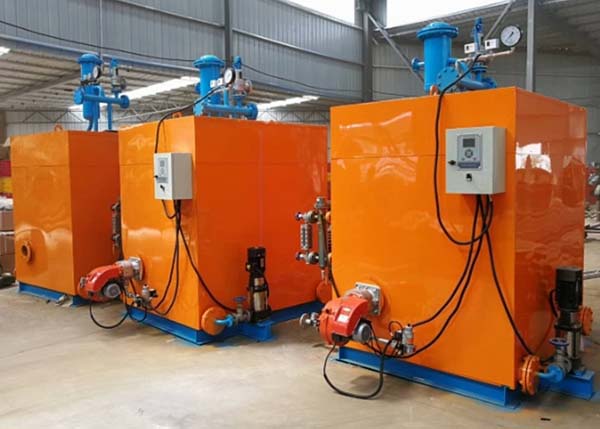
0.1-2 t/h
Multi-pass packaged steam generator, 0.1-2 t/h at 0.4-0.7 MPa, small water content and fast start for pressing, food and sterilizi...
View details
2-50 m³/h treated water
Softener and deaerator package for boiler make-up, holding hardness below 0.03 mmol/L and oxygen below 0.05 mg/L.
View details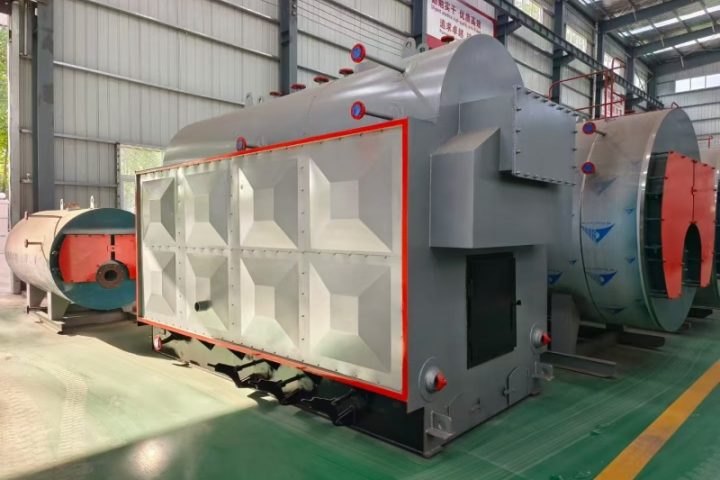
1-20 t/h boiler equivalent
Finned tube economizers and tubular air preheaters for fire-tube, water-tube and thermal oil systems, with cold-end protection aga...
View detailsExternal links open the publisher’s website and are provided for background reading.
At 1,750 m the air is about 18% thinner, so the burner needs more fan pressure and the boiler loses some capacity unless it was selected with margin.
The boiler runs on gas, and a diesel generator powers the feedwater pump, fans and controls. The steam load is independent of the grid.
About 93% on LHV with an economizer, at 60-75% load. Full-load efficiency is slightly lower because stack losses rise.
2018
Santa Cruz, Santa Cruz Province, Bolivia
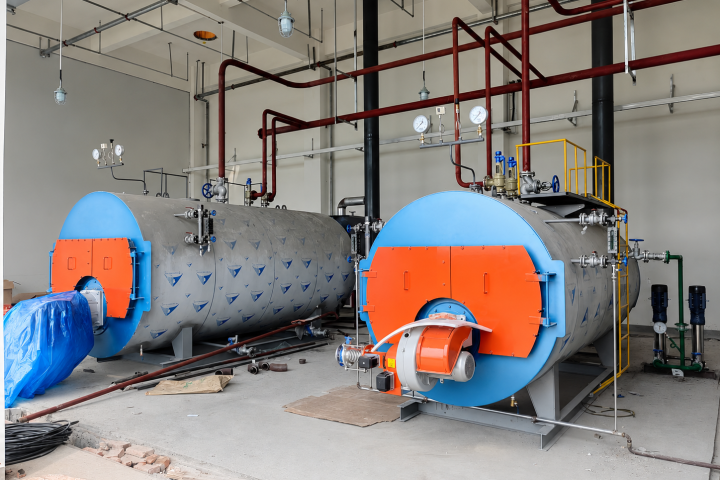
A gas-fired steam boiler was supplied for a starch production plant in Santa Cruz, Bolivia. The project covered equipment delivery...
View project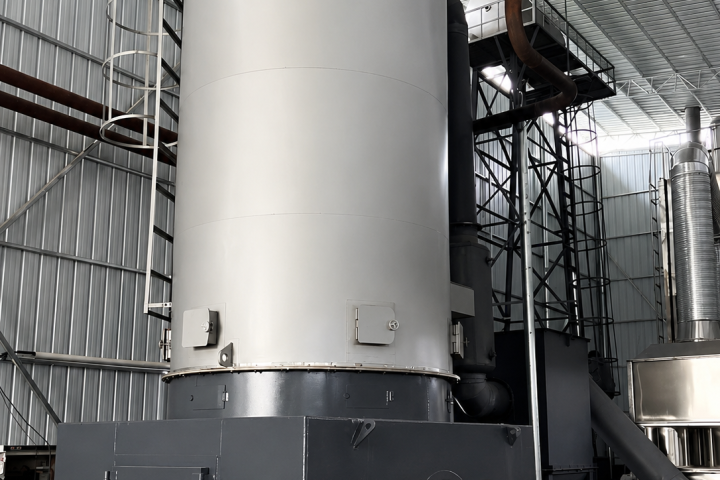
2022
Dammam, Eastern Province, Saudi Arabia
A gas-fired heat conduction oil furnace was supplied for industrial wax melting in Dammam, Eastern Province, Saudi Arabia, with sc...
View project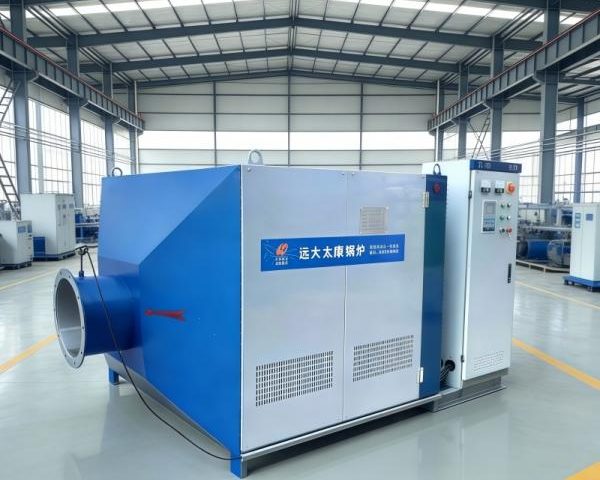
2022
Long An, Vietnam
3 t/h gas steam boiler at 1.0 MPa on natural gas, commissioned in 2022 in Long An, Vietnam: the plant runs one shift and the boile...
View projectWe appoint one or two partners per country to quote, deliver and service our boilers locally. Territory protection, factory pricing and commissioning support are part of the agreement.