

2 t/h
2 t/h Gas/Oil Steam Boiler WNS2-1.25-Q
The WNS2-1.25-Q is a packaged three-pass wet-back fire-tube steam boiler rated at 2 t/h and 1.25 MPa, delivering 194 °C steam at 9...
View detailsBoiler packages for chemical processing: SZS gas-fired steam boilers from 2 to 35 t/h and YY(Q)W thermal oil heaters from 1 to 10 MW, matched to reactor, distillation and drying duties where process temperatures may exceed saturated steam limits.
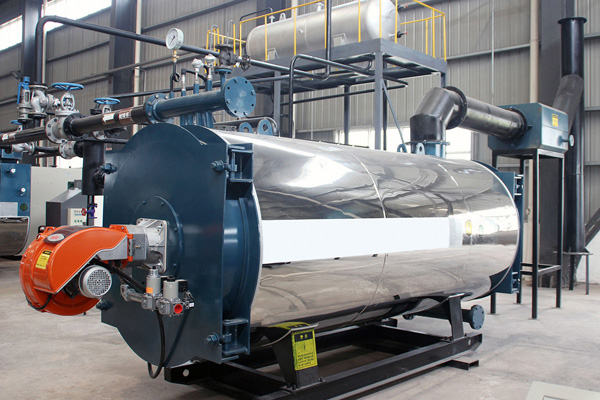
Chemical processing plants rarely need heat for a single duty. Reactors, distillation columns and dryers each draw heat at different temperatures, different rates and different times, and the boiler package has to serve all of them without compromising any one. The recommended equipment for this application is the SZS gas steam boiler or the YY(Q)W thermal oil heater, selected according to the temperature the process actually requires.
Steam is the conventional choice where process temperatures sit within the range that saturated steam can deliver. Where the process temperature may exceed saturated steam limits, thermal oil becomes the practical option. As a working rule, thermal oil is chosen above 250 °C: at that point the saturated steam pressure needed to reach the temperature rises steeply, and a pressurised steam system becomes a heavier and more demanding installation than a thermal oil circuit operating at low pressure.
The equipment selection therefore follows from the process, not the other way round. The first question is the highest process temperature; the second is the total heat demand across all duties; the third is how that demand varies over a shift or a batch cycle.
Chemical plants typically present a batch-driven load profile. A reactor may call for a large heat input during heat-up, then fall back to a much lower holding demand while the reaction proceeds. Distillation may run steadily for long periods and then stop. Drying may be intermittent. Sizing on the sum of connected loads alone tends to oversize the package; sizing on the average alone tends to undersize it.
The recommended capacity range for this application is 2-35 t/h for the SZS steam boiler and 1-10 MW for the YY(Q)W thermal oil heater. Within that range, the package should be sized against a load profile that records peak simultaneous demand, duration of peaks, and the minimum turndown the process will impose. Where several reactors can peak together, that coincidence should be stated explicitly rather than assumed.
For thermal oil systems, the circulating flow and temperature difference across the heater are as important as the thermal capacity, because they determine the film temperature at the heating surface. For steam systems, the peak steam rate and the required pressure at the point of use set the boiler rating and the distribution arrangement.
Both recommended packages are gas-fired. The SZS steam boiler is a gas steam boiler; the YY(Q)W is a gas-fired thermal oil heater. Fuel selection within the gas category, and any provision for an alternative fuel, should be confirmed against the site’s supply arrangements before the proposal stage.
Efficiency should be considered across the whole package rather than the boiler or heater alone. Heat recovery from flue gas, insulation of the thermal oil circuit or steam distribution, condensate return in steam systems, and correct matching of burner turndown to the load profile all influence the fuel consumed per unit of process heat. Because chemical plants often run at part load for much of the time, part-load performance deserves as much attention as rated efficiency.
Where the SZS steam boiler is selected, water treatment is part of the package scope. Feedwater quality, blowdown practice and condensate return all affect steam quality and the life of the boiler. The steam quality required by the process — for example, whether steam contacts product directly or only heats through a surface — should be defined at the enquiry stage so that the water treatment and steam separation arrangements can be matched to it.
Thermal oil systems do not carry the same water chemistry burden, but they have their own requirements: oil condition monitoring, avoidance of contamination, and attention to flow through the heater. The choice between steam and thermal oil therefore changes not only the temperature capability but also the operating regime the plant must sustain.
The control package should reflect the load profile described above. For batch processes, the ability to follow rapid changes in demand without unnecessary cycling is central. Burner management, flame monitoring, pressure or temperature limitation, and interlocked shutdown sequences form the safety core of either package. For thermal oil heaters, flow monitoring and high-temperature protection of the oil are additional essentials; for steam boilers, level control and pressure protection take that role.
Controls should also make the plant’s operating data visible: heat output, fuel consumption, and the temperatures or pressures at which the package is running. This is what allows the load assumptions made at the sizing stage to be checked once the plant is in operation.
To prepare a proposal, send the process duties to be served (reactors, distillation, drying, and any others), the maximum process temperature required, the required steam pressure if steam is preferred, the peak and average heat demand, and the batch or continuous nature of each duty. State the fuel available, the feedwater source for steam systems, and any site constraints on the equipment arrangement. With these parameters, the appropriate choice between the SZS gas steam boiler and the YY(Q)W thermal oil heater can be confirmed and the package sized within the stated capacity range.
The deciding factor is process temperature. Where the process temperature may exceed saturated steam limits, thermal oil is the practical choice; as a working rule, thermal oil is selected above 250 °C. Below that, the SZS gas steam boiler is the conventional option.
The recommended equipment covers 2-35 t/h for the SZS gas steam boiler and 1-10 MW for the YY(Q)W thermal oil heater. The final size is set against the plant's load profile rather than the sum of connected loads.
Send the process duties, maximum process temperature, required steam pressure if applicable, peak and average heat demand, batch or continuous operation, available fuel, feedwater source for steam systems, and any site layout constraints.
| Typical capacity | 2-35 t/h steam; 1-10 MW thermal oil |
|---|---|
| Pressure/temperature | Steam within saturated steam limits; thermal oil selected above 250 °C |
| Fuel options | Gas-fired (SZS steam boiler; YY(Q)W thermal oil heater) |
| Efficiency | Considered across the whole package, including heat recovery and part-load performance |
| Steam quality | Defined by process requirement; supported by water treatment and steam separation |
| Controls | Burner management, flame monitoring, pressure/temperature limitation, interlocked shutdown |
| Water treatment | Included in scope for SZS steam boiler packages |
| Scope of supply | Boiler or heater package with burner, controls and water treatment (steam) |
| Typical duties | Reactors, distillation, drying |
2 t/h
The WNS2-1.25-Q is a packaged three-pass wet-back fire-tube steam boiler rated at 2 t/h and 1.25 MPa, delivering 194 °C steam at 9...
View details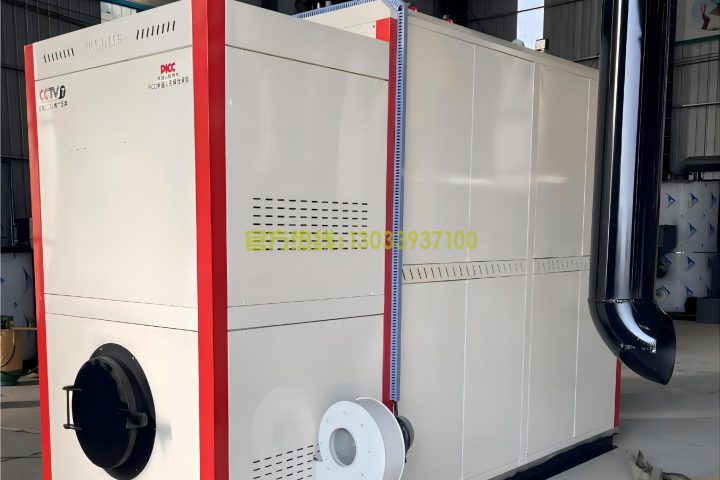
0.3-2 t/h
Skid-mounted steam package combining boiler, burner, feedwater module, softener and controls in one enclosure, 0.3-2 t/h at 0.7-1....
View details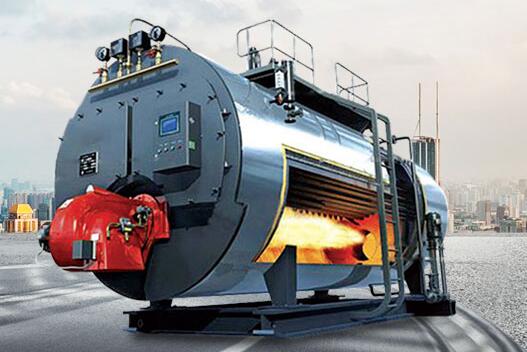
0.5-10 t/h
Methanol, diesel and gas fired steam boiler, 0.5-10 t/h at 1.0-1.25 MPa, with a methanol-compatible fuel train, infrared flame sca...
View detailsExternal links open the publisher’s website and are provided for background reading.
Include the capacity (t/h or MW), fuel, working pressure and site country so the proposal matches your permit limits.
We appoint one or two partners per country to quote, deliver and service our boilers locally. Territory protection, factory pricing and commissioning support are part of the agreement.