

1-20 t/h
Steam Boiler Package for Textile and Dyeing Plants
Gas-fired steam boiler package for textile and dyeing plants. SZS or WNS boilers deliver 1-20 t/h at 1.0-1.6 MPa, handling batch d...
View detailsPackaged thermal oil heaters and steam boilers for rubber and tire plants, sized for vulcanization presses, mixing and drying. Thermal oil delivers 160-200 °C press heat without high-pressure steam at the press.
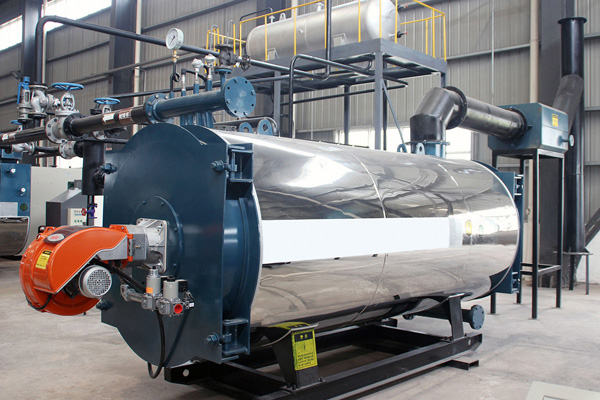
Rubber and tire production depends on reliable, closely controlled heat at several points in the line. The dominant duty is vulcanization: presses must hold a stable temperature, typically in the 160-200 °C range, for the full cure cycle. Mixing equipment and drying stages add further heat demand, often at different temperatures and load patterns from the presses.
Two equipment routes suit this duty. A YY(Q)W thermal oil heater circulates hot oil to the presses and other users, reaching press temperatures of 160-200 °C while keeping the heating circuit at low pressure. Alternatively, a WNS steam boiler supplies steam for presses, mixing and drying where steam is the preferred medium across the plant.
The choice between the two is an engineering decision driven by press design, existing plant infrastructure and how heat is distributed across the site. Thermal oil is often selected where the priority is avoiding high-pressure steam at the press itself.
Vulcanization presses are cyclic loads: heat demand rises during heat-up and holds through the cure, then repeats. Mixing and drying duties may run more continuously. The package must therefore be sized on the combined peak demand plus a margin for simultaneous users, not on a single press rating.
The recommended capacity range for this application is 0.7-7 MW for thermal oil heaters and 1-6 t/h for steam boilers. Within these ranges, sizing starts from the number and size of presses, their target temperature, the mix of mixing and drying loads, and the expected simultaneity factor. A load profile covering a typical production shift gives the most reliable basis for selecting the unit and its circulation or feed equipment.
Both equipment types are offered with fuel options suited to site availability. Fuel selection affects operating cost, burner configuration and the layout of the package, so it should be fixed early in the project. Efficiency depends on the selected fuel, burner and heat recovery arrangement; the final figure is confirmed for the specific configuration rather than assumed at the outset.
For thermal oil systems, the heater, circulation pumps and expansion and storage arrangements form the core package. For steam systems, the boiler, burner, feedwater equipment and water treatment are considered together, because steam-side performance depends on the whole train.
Steam boilers require feedwater treatment matched to the site water analysis. Untreated or poorly treated water affects steam quality and the life of the boiler and connected equipment. Water treatment is therefore included in the scope of supply for steam packages, with the treatment scheme selected against the actual feedwater composition.
Thermal oil systems do not involve steam quality, but oil condition matters: the circuit must be designed to keep the oil within its operating limits and to allow monitoring over time. In both cases, the quality of the working medium is treated as part of the engineering scope, not an afterthought.
The package is supplied with a control system covering burner management, temperature or pressure control and the interlocks required for safe operation. For thermal oil heaters, controls monitor circulation and oil temperature; for steam boilers, they cover water level, pressure and feedwater supply. Safety devices and shutdown logic are integrated into the package so that the heater or boiler operates within its design envelope.
Controls should be specified to match how the plant is operated: stand-alone local control, or integration with the plant’s monitoring system. This is agreed during the proposal stage so that the delivered package fits the existing plant architecture.
To prepare a proposal, send the following: the required medium (thermal oil or steam); the duties to be served (vulcanization presses, mixing, drying); press temperature requirements within the 160-200 °C range; the number and size of heat users and their operating pattern; the preferred fuel; available utilities and site conditions; and any control or integration requirements. With these inputs, the package can be sized within the stated capacity ranges and configured for the plant.
It depends on press design and plant infrastructure. Thermal oil reaches the 160-200 °C press temperature range while avoiding high-pressure steam at the press. Steam may suit plants where steam is already the preferred medium across presses, mixing and drying. Share your press data and we can advise on configuration within the stated capacity ranges.
The recommended range is 0.7-7 MW for thermal oil heaters and 1-6 t/h for steam boilers. Final sizing is based on the number and size of presses, mixing and drying loads, target temperatures and simultaneity.
Send the required medium, the duties to be served, press temperature requirements, the number and size of heat users and their operating pattern, preferred fuel, available utilities and site conditions, and any control or integration requirements.
| Typical capacity | 0.7-7 MW thermal oil; 1-6 t/h steam |
|---|---|
| Pressure/temperature | Press temperature 160-200 °C; thermal oil avoids high-pressure steam at the press |
| Fuel options | Multiple fuel options; selected per site availability |
| Efficiency | Confirmed for the selected fuel, burner and heat recovery configuration |
| Steam quality | Dependent on feedwater treatment matched to site water analysis |
| Controls | Burner management, temperature or pressure control, safety interlocks |
| Water treatment | Included in steam package scope; scheme selected against feedwater analysis |
| Scope of supply | Heater or boiler, burner, circulation or feedwater equipment, controls, water treatment (steam) |
| Typical duties | Vulcanization presses, mixing, drying |
| Equipment | YY(Q)W thermal oil heater or WNS steam boiler |
1-20 t/h
Gas-fired steam boiler package for textile and dyeing plants. SZS or WNS boilers deliver 1-20 t/h at 1.0-1.6 MPa, handling batch d...
View details15 t/h
The WNS15-1.25-Q is a packaged three-pass wet-back fire-tube boiler delivering 15 t/h of steam at 1.25 MPa and 194 °C, firing natu...
View details
6-100 t/h
Membrane-wall water-tube steam boiler with staged combustion and FGR, 6-100 t/h at up to 2.5 MPa and 98% efficiency with heat reco...
View detailsExternal links open the publisher’s website and are provided for background reading.
Include the capacity (t/h or MW), fuel, working pressure and site country so the proposal matches your permit limits.
We appoint one or two partners per country to quote, deliver and service our boilers locally. Territory protection, factory pricing and commissioning support are part of the agreement.