
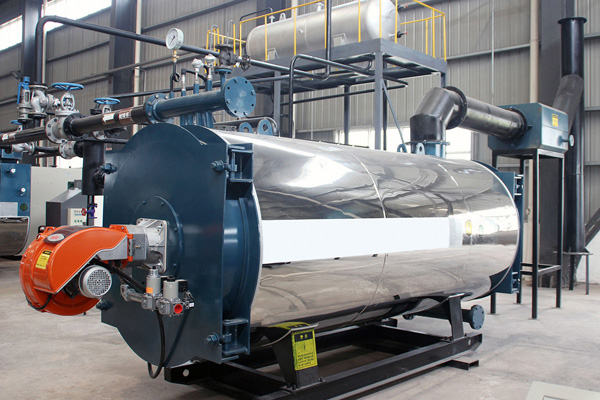
Buying a used industrial boiler can cut capital outlay, but the risks are not evenly distributed. Pressure part fatigue, outdated controls, and missing documentation can turn a bargain into a liability. This checklist compares used and new boilers across five areas: pressure part history, efficiency, spare parts, compliance, and insurance. Use it to structure your due diligence and to decide when a new unit is the lower-risk choice.
1. Pressure Part History: The Non-Negotiable
The pressure envelope is the first thing to verify. A used boiler may have seen 20 years of thermal cycling, water chemistry excursions, or repeated low-water events. Without a documented history, you are buying unknown fatigue life. Ask for the original manufacturer’s data report, hydrostatic test records, and any repair history. Ultrasonic thickness measurements on shell and tubes are essential; compare against minimum allowable thickness from the original design code. For fire-tube boilers, check tube sheet ligament cracks and furnace corrugations. Water-tube units need tube wall thickness surveys and header inspections. If records are missing, assume the worst and budget for a full inspection by an authorized inspector before purchase.
2. Efficiency: Real Numbers vs Nameplate
Nameplate efficiency is measured at specific conditions and with new surfaces. A used boiler may have scale, soot, or air/fuel ratio drift that cuts efficiency by 5–15%. Table 1 shows typical efficiency ranges for new and used fire-tube boilers (natural gas, 10 bar design pressure, 80°C feedwater, 5% excess O2). Assumptions: new = clean surfaces, tuned burner; used = moderate fouling, original burner.
| Parameter | New Boiler | Used Boiler (10+ years) | Units |
|---|---|---|---|
| Thermal efficiency (LHV) | 92–95 | 85–90 | % |
| Stack temperature (at 5% O2) | 180–220 | 220–280 | °C |
| Excess air (typical) | 15–20 | 25–40 | % |
| Turn-down ratio | 5:1 to 10:1 | 3:1 to 5:1 | — |
To estimate fuel cost impact, use: annual fuel cost = steam load (kg/h) × 2257 kJ/kg × operating hours / (efficiency × LHV). A 5% efficiency drop on a 5 t/h boiler running 6,000 h/year at 90% efficiency and LHV 35.8 MJ/m³ (natural gas) adds roughly 5–7% to fuel spend. That often exceeds the capital saving within 2–3 years. For capacity and cost drivers, see our capacity and cost guide.
3. Spare Parts and Serviceability
Used boilers from discontinued lines can strand you without burners, controls, or pressure parts. Check availability of: burner nozzles, flame scanners, control valves, feedwater pumps, and gaskets. For fire-tube boilers, tube sheets and furnaces are often custom-fabricated; lead times can be 8–12 weeks. New boilers from active product lines typically have 2–4 week lead times on common spares. If the used unit uses obsolete controls (e.g., pneumatic or early PLC), budget for a controls retrofit. Our product range includes current models with documented spare parts lists.
4. Compliance and Documentation
Compliance is not just about the boiler; it is about the paper trail. For used equipment, verify: original design code (e.g., ASME Section I, EN 12953), national board registration (if applicable), and previous inspection reports. Missing documentation can delay or prevent commissioning. New boilers come with a manufacturer’s data report, compliance statement, and test certificates. In many jurisdictions, used boilers require a new inspection and may need upgrades to meet current emission limits (e.g., NOx < 80 mg/kWh). Check local rules before purchase.
5. Insurance and Risk Transfer
Insurers view used boilers as higher risk. Without a documented pressure part history, you may face higher premiums or exclusions for pre-existing conditions. Some insurers require a full inspection by an authorized inspector before cover. New boilers typically qualify for standard rates. Ask your insurer about: acceptance of used equipment, required inspections, and any premium loading. A used boiler with a 10% premium loading can erase the capital saving over a 10-year life.
6. Decision Checklist
- Pressure part history: original data report, hydro test, ultrasonic thickness survey, repair records.
- Efficiency: stack temperature, excess O2, fouling factor, burner tuning records.
- Spare parts: availability of burner, controls, tubes, gaskets; lead times.
- Compliance: design code, national board number, emission compliance, local inspection requirements.
- Insurance: insurer acceptance, required inspections, premium impact.
- Total cost: capital + installation + retrofit + fuel + insurance over 10 years.
What to send us for a proposal
To evaluate a used boiler or specify a new one, send: required steam capacity (kg/h), design pressure (bar), fuel type and LHV, feedwater temperature, annual operating hours, available space, emission limits, and any inspection reports for the used unit. We will respond with a technical comparison and a cost-driver breakdown. No prices are quoted until scope is defined.


