

6-100 t/h
SZS Water-Tube Gas/Oil Steam Boiler, 6-100 t/h
Membrane-wall water-tube steam boiler with staged combustion and FGR, 6-100 t/h at up to 2.5 MPa and 98% efficiency with heat reco...
View details8 t/h gas steam boiler at 1.25 MPa on natural gas, commissioned in 2023 in Bucaramanga, Colombia: the dye house and the stenters peak at the same hour and the header dropped 0.15 MPa.
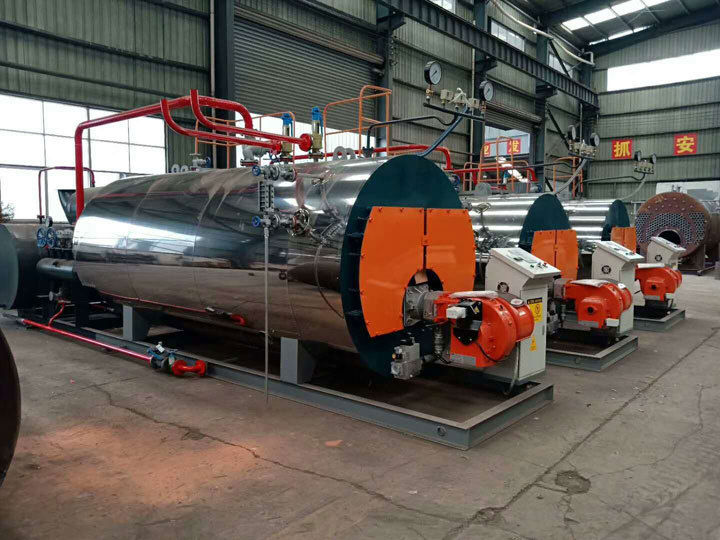
8 t/h at 1.25 MPa, fired on natural gas, was commissioned in 2023 for a textile plant in Bucaramanga. The dye house and the stenters peak at the same hour and the header dropped 0.15 MPa. The fix was a WNS series unit selected on the measured load, not on the nominal process rating.
The constraint was not the boiler alone but the fuel and water going into it. The previous unit was replaced twice without anyone changing the fuel handling. The site runs two shifts and the steam demand is set by batch equipment rather than by a continuous process, so the load curve has a sharp morning peak and a long plateau.
| Item | Value |
|---|---|
| Model | WNS series, 8 t/h |
| Working pressure | 1.25 MPa |
| Fuel | natural gas |
| Full-load fuel demand | 620 Nm3/h |
| Thermal efficiency | about 94% |
| Heat input at rating | 5.8 MW |
The scope covered the pressure vessel, burner, feedwater pump set, controls and the safety interlock chain. Site work was limited to foundations, flue, water and fuel connections, because the unit arrived assembled and tested.
The dye house and the stenters peak at the same hour and the header dropped 0.15 MPa. The measured load profile showed the peak was short and repeatable, so the answer was to make the boiler follow it without losing stability, and to remove the manual compensation the operators had invented. Commissioning included a 72-hour run at the real pattern, with the combustion curve trimmed at four firing rates.
After handover, a flow-metered load study led to a 10 t/h unit running at 70% instead of an 8 t/h unit at 95%, and the pressure dip disappeared. The plant logs header pressure and stack temperature every two hours, which is enough to catch fouling and load drift before either becomes a shutdown.
Comparable installations are listed under project cases, and the equipment is described on the product page. Fuel and water treatment choices for this kind of site are covered in the industry solutions section.
6-100 t/h
Membrane-wall water-tube steam boiler with staged combustion and FGR, 6-100 t/h at up to 2.5 MPa and 98% efficiency with heat reco...
View details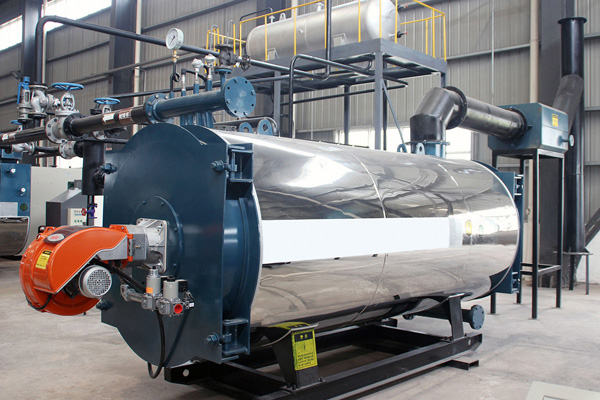
120-5,800 kW
Horizontal liquid-phase thermal oil heater, 120-5,800 kW, disc coil heating surface, 300-340 C at 0.8-1.0 MPa working pressure.
View details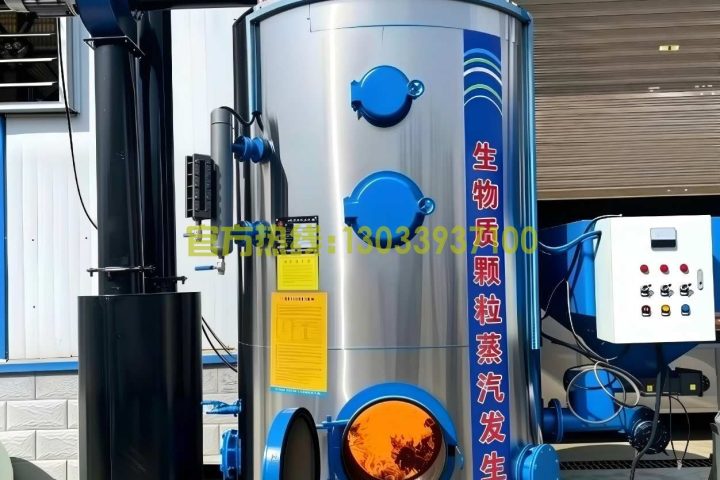
10-50 t/h feedwater
Tray-type thermal deaerator, 10-50 t/h, removing oxygen to below 15 ppb and heating feedwater to 104-105 °C before it reaches the...
View detailsExternal links open the publisher’s website and are provided for background reading.
The measured fifteen-minute peak was covered by 8 t/h with a 10% margin. A larger unit would have run below its stable minimum for most of the day, which costs more in part-load losses than it saves in peak headroom.
Seven days on site for this size, including hydraulic test, boil-out, steam blowing, safety-valve setting and a 72-hour run at the plant's real load pattern.
2025
Erdenet, Mongolia
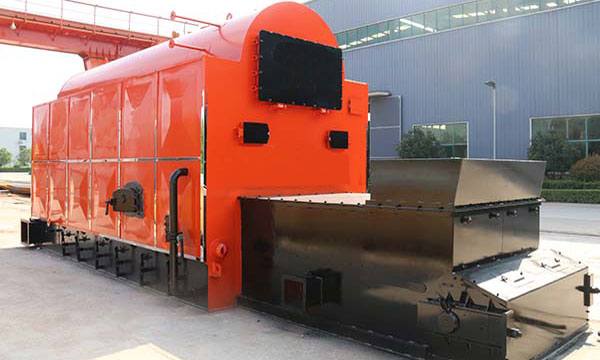
A 4 t/h coal-fired steam boiler supplies heating and process steam at a mine camp near Erdenet, with a hardened feedwater system f...
View project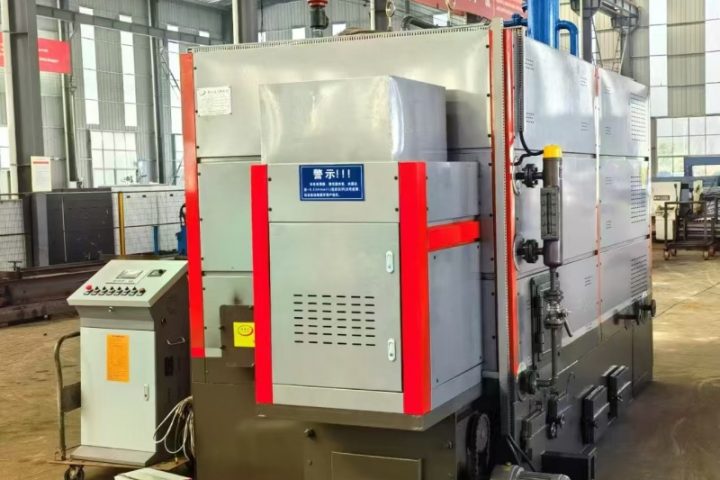
2024
Ulaanbaatar, Mongolia
A 20 t/h chain-grate coal boiler at 1.6 MPa supplies 14 MW to a district heating network in Ulaanbaatar, designed for -35 C and lo...
View project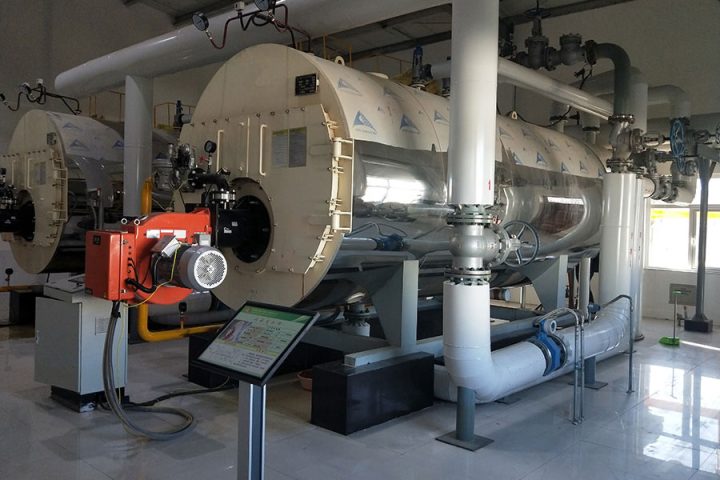
2024
Samarkand, Uzbekistan
Two 2.8 MW gas hot water boilers at 95/70 C serve a 320-room hotel complex in Samarkand, with domestic hot water priority and a we...
View projectWe appoint one or two partners per country to quote, deliver and service our boilers locally. Territory protection, factory pricing and commissioning support are part of the agreement.