

1-100 t/h (0.7-70 MW)
WNS Gas/Oil Steam Boiler, 1-100 t/h
Packaged three-pass wet-back fire-tube steam boiler for gas and oil, 1-100 t/h at 1.25 MPa, with matched modulating burner and ful...
View detailsA 2 t/h biomass boiler burning coconut shell and wood waste supplies cooking and cleaning steam at a food plant in Mombasa, replacing an ageing oil-fired unit.
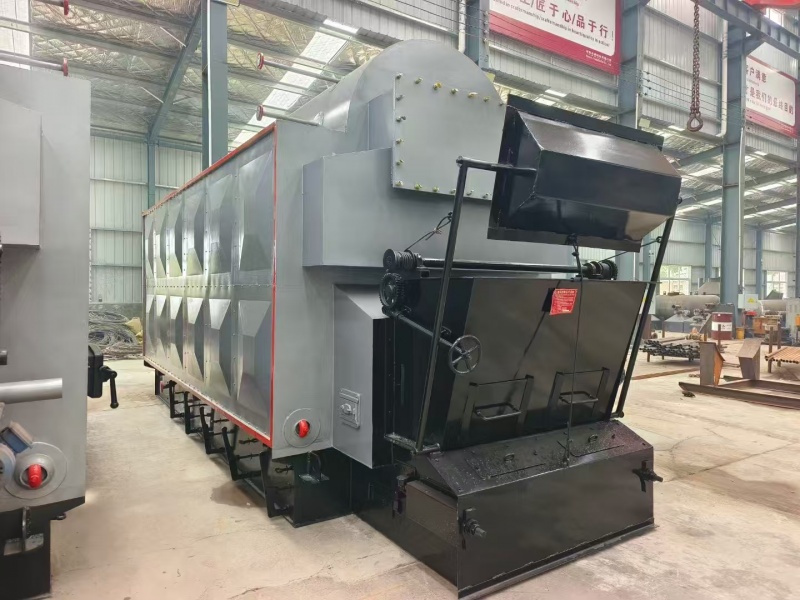
Mombasa’s food processors sit inside a supply chain that produces coconut shell, cashew shell and wood offcuts. The plant in this case makes snack foods and sauces, and its old oil-fired boiler was costing more each year as fuel prices rose. A 2 t/h biomass boiler at 1.0 MPa now burns coconut shell with wood waste and covers cooking, frying and CIP steam.
The load is 1.2-1.6 t/h through two shifts, with a 1.8 t/h peak when the fryer and the CIP set run together. The boiler is a DZL chain-grate unit with a refractory arch, sized for a fuel that is dense and burns hot.
Coconut shell has low sulphur but the coastal air is salty, and the boiler house is 400 m from the sea. The plant’s first boiler failed at the rear tube plate from outside corrosion, not from the water side. The new unit has an insulated casing, a painted steel shell and a sealed burner housing, and the plant washes the boiler house floor and wipes the casing monthly to remove salt deposits.
Combustion air is drawn from inside the building rather than from the seaward wall, which keeps the burner’s air path away from salt spray.
| Item | Value |
|---|---|
| Rated evaporation | 2 t/h |
| Pressure | 1.0 MPa |
| Fuel | coconut shell with wood waste |
| Fuel LHV | about 17 MJ/kg |
| Fuel rate at rating | about 470 kg/h |
| Dust control | multi-cyclone |
The plant’s water is municipal and moderately hard, softened to 0.03 mmol/L. During the long rains the raw water turbidity rises, and the softener’s resin needs more frequent backwash; the plant installed a sand filter ahead of the softener after the first season, which stopped the resin from fouling.
Steam is used in jacketed pans and a fryer, so the plant keeps TDS at 2,000 ppm and uses a food-grade oxygen scavenger. The steam header has a separator, and the fryer’s control valve was resized after commissioning because the original was passing more steam than the fryer needed at low load.
Fuel cost fell by roughly 45% against oil, and the plant now uses a waste stream it previously paid to remove. Boiler efficiency is about 78% on the shell/wood mix, and the unit has run 14 months without a tube problem. The maintenance team’s main job is the grate and the ash pit, cleaned every 600 hours.
1-100 t/h (0.7-70 MW)
Packaged three-pass wet-back fire-tube steam boiler for gas and oil, 1-100 t/h at 1.25 MPa, with matched modulating burner and ful...
View details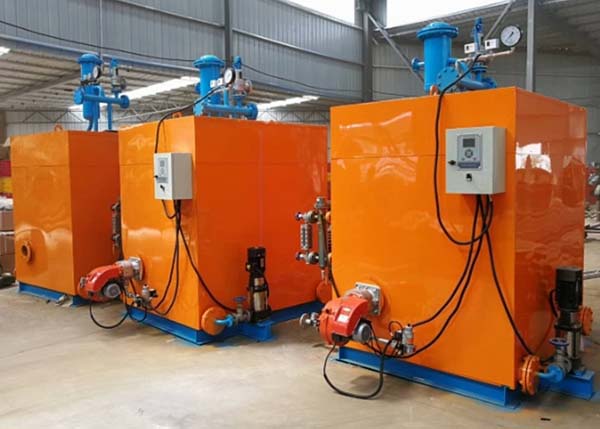
0.1-2 t/h
Multi-pass packaged steam generator, 0.1-2 t/h at 0.4-0.7 MPa, small water content and fast start for pressing, food and sterilizi...
View details
2-50 m³/h treated water
Softener and deaerator package for boiler make-up, holding hardness below 0.03 mmol/L and oxygen below 0.05 mg/L.
View details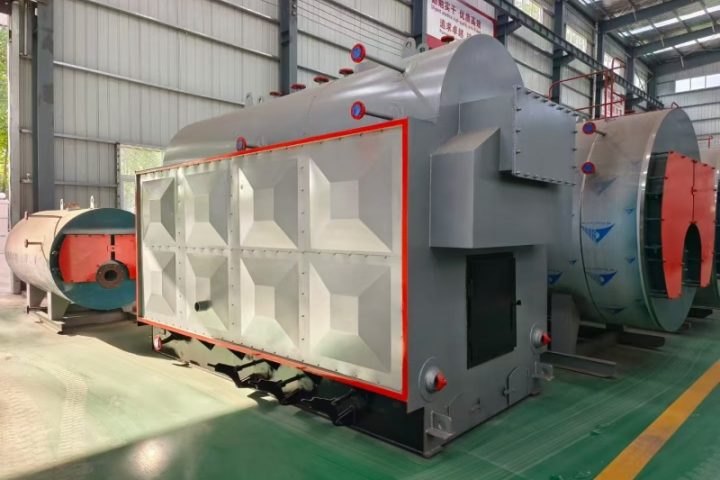
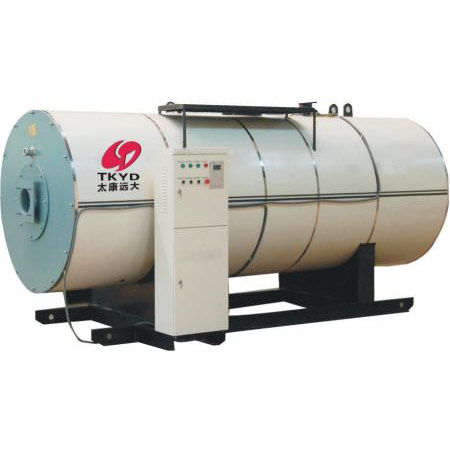
1-20 t/h boiler equivalent
Finned tube economizers and tubular air preheaters for fire-tube, water-tube and thermal oil systems, with cold-end protection aga...
View detailsExternal links open the publisher’s website and are provided for background reading.
Yes. It is dense, low in moisture and burns at high temperature. The grate must be sized for its high ash content and the ash removed regularly.
Salt-laden coastal air attacked the rear tube plate from outside. Insulation, sealing and washing the casing prevent it on the new unit.
76-80% on LHV with a cyclone and no air preheater. The exact figure depends on fuel moisture.
2025
Metro Manila, Philippines
A 3 t/h biomass boiler on coconut shell and wood waste supplies cooking and sterilising steam at a food plant in Metro Manila, wit...
View project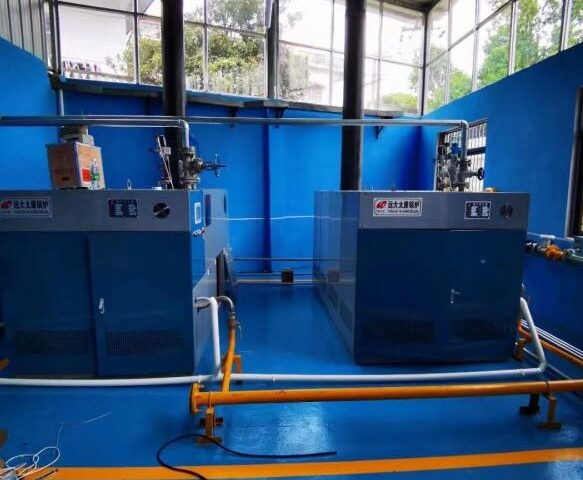
2025
Riyadh, Saudi Arabia
A 6 t/h gas steam boiler supplies cooking, bakery and CIP steam at a food factory in Riyadh, with a 50 C ambient derating check an...
View project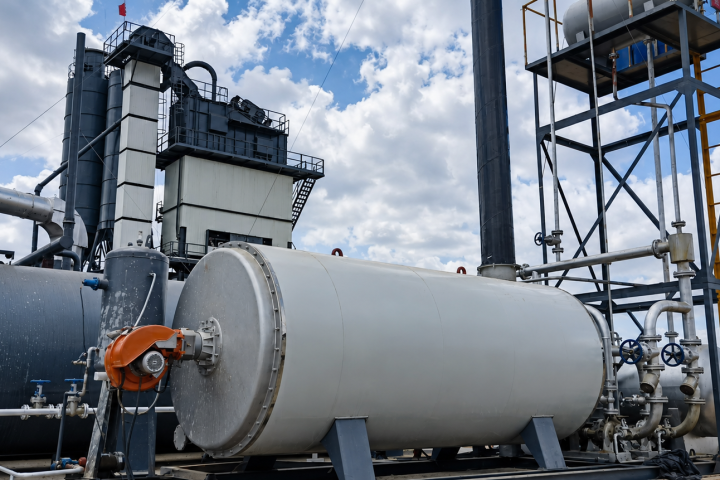
2025
Pune, Maharashtra, India
A gas-fired heat transfer oil furnace was supplied for chemical reactor heating in Pune, Maharashtra, India. The system provides i...
View projectWe appoint one or two partners per country to quote, deliver and service our boilers locally. Territory protection, factory pricing and commissioning support are part of the agreement.