Fuel preparation decides the boiler’s output
2 t/h at 0.8 MPa is the working point for a apparel plant in Colombo, Sri Lanka, where wood is stored uncovered and absorbs monsoon rain. The unit was selected on that operating pattern rather than on a catalogue rating, and the difference shows in how it holds pressure on the worst shift of the week.
A biomass boiler is only as good as the fuel reaching its grate. Moisture above 30% steals heat to evaporate water, oversize pieces bridge in the hopper, and fines blow through the furnace unburned. Chipping to 30-50 mm, drying under cover and keeping the store on a first-in-first-out rotation does more for output than any burner adjustment.
Numbers that decide the design
At 2 t/h and 0.8 MPa the unit absorbs about 1.4 MW. On rubber wood at roughly 79% efficiency, full-load demand is about 0 kg/h. The figures are stated at the site’s conditions, because ambient temperature, altitude and fuel analysis all move them.
| Item | Value |
|---|---|
| Rated output | 2 t/h |
| Pressure / temperature | 0.8 MPa |
| Fuel | rubber wood |
| Full-load fuel demand | 0 kg/h |
| Thermal efficiency | about 79% |
What to watch on site
Ash is the second half of the story. Agricultural residues can carry 10-20% ash, which means a grate designed for removal and a disposal route agreed before the first delivery. Clinker forms where the bed runs too hot, and the operator sees it as a falling grate temperature and a rising stack temperature at the same time.
Site note: wood is stored uncovered and absorbs monsoon rain. The operators log header pressure and stack temperature every two hours, which is enough to see fouling and load drift before either becomes a shutdown.
Why it matters
Fuel preparation decides the boiler’s output is not a detail to settle after the order. It decides the shell size, the burner, the feedwater train and the maintenance calendar, and it is cheaper to get right in the specification than in the boiler house.
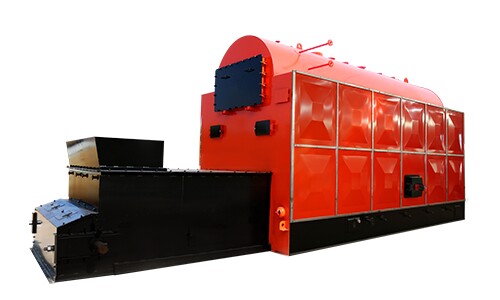
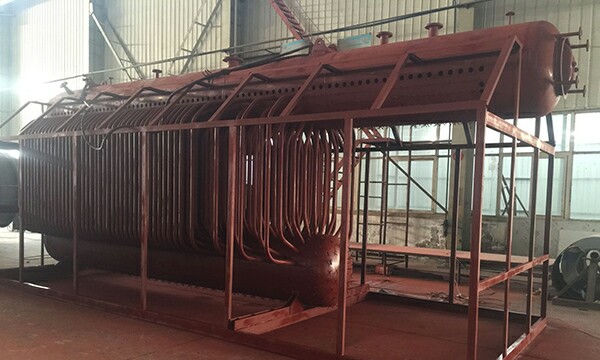
Equipment used in this kind of plant: dzl chain grate biomass boiler and water treatment system. The industry side is covered in this solution page, and project cases show comparable installations.
Background reading: external reference on steam and process heat.
Questions plant engineers ask
What moisture can a biomass boiler accept?
Usually up to 30%, with efficiency falling as moisture rises. Above 35% the furnace temperature is too low for stable combustion.
Why does biomass fuel need a covered store?
Rain raises moisture by 10-15 points in a week. Covered storage and a two-week rotation keep the fuel in the range the boiler was designed for.
Related note: 3 t/h Gas steam boiler in Bangladesh: Condensate is money coming back